Most requests for fingerprinting services Southwest Florida residents book arrive with a deadline already attached. A new job, a professional license, or a volunteer position starts with a background check, and the appointment that produces the prints is often the last item on a long list of requirements. The appointment itself tends to be short. What decides whether it works the first time is what happens before it: knowing which agency asked for the prints, which identification to carry, and how the visit differs from a notarization.
What Fingerprinting Services Southwest Florida Appointments Usually Involve
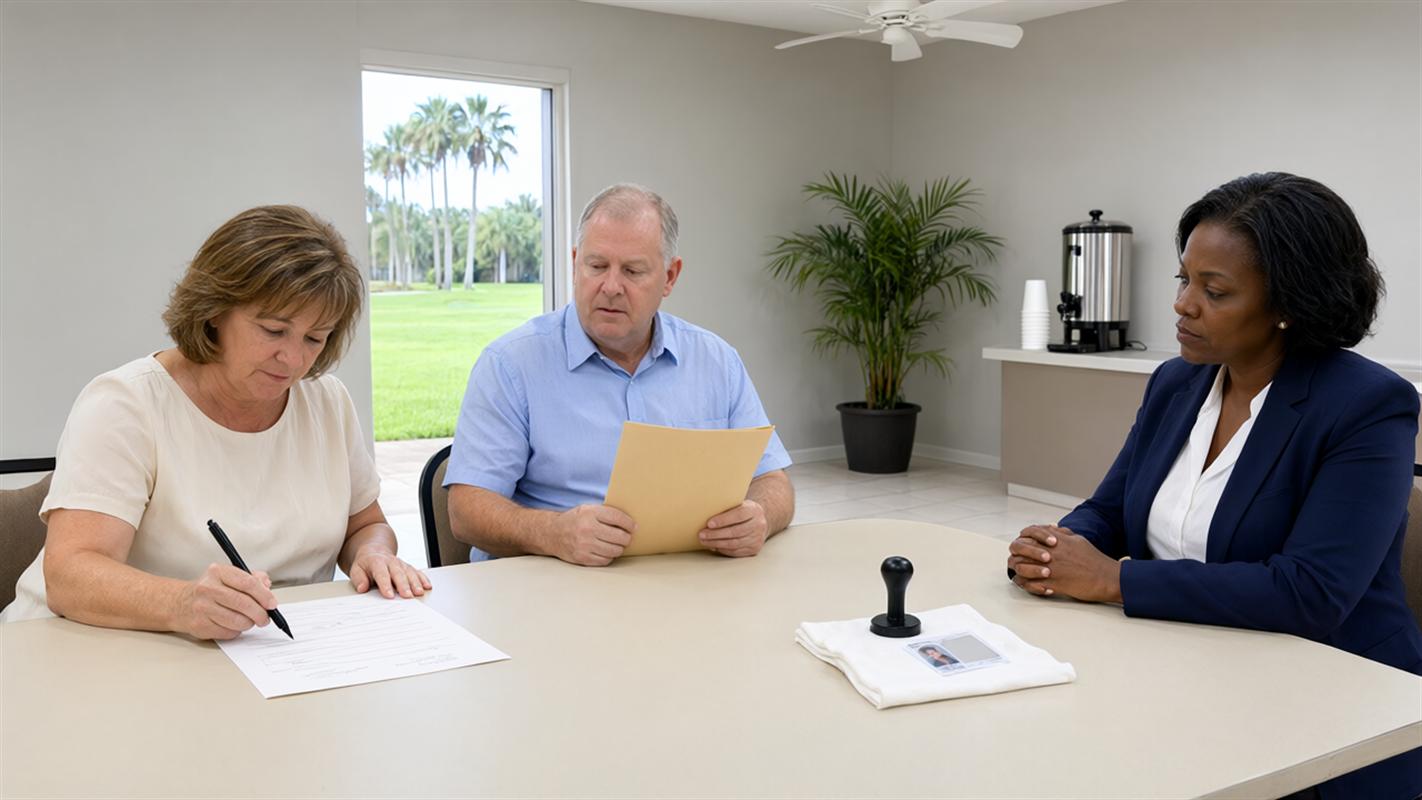
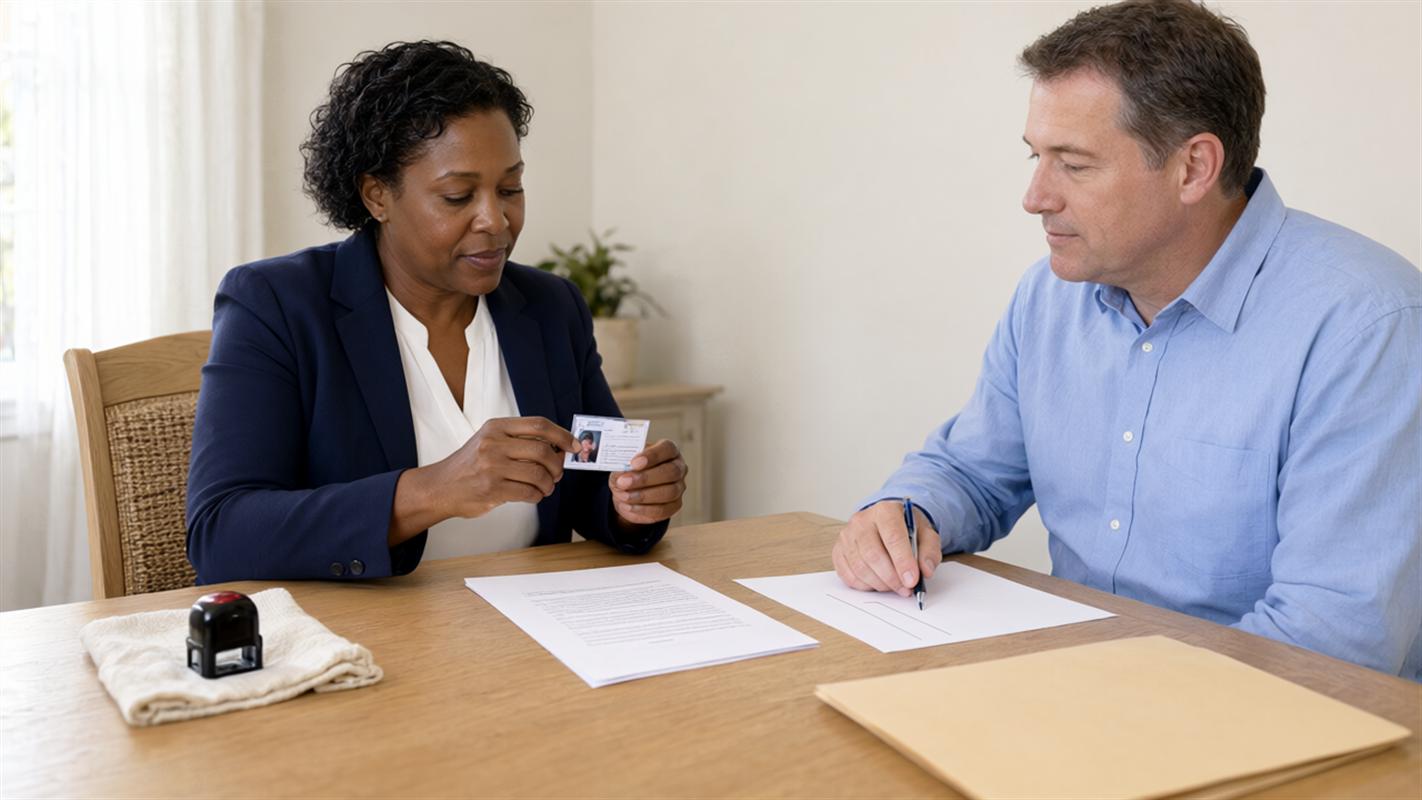
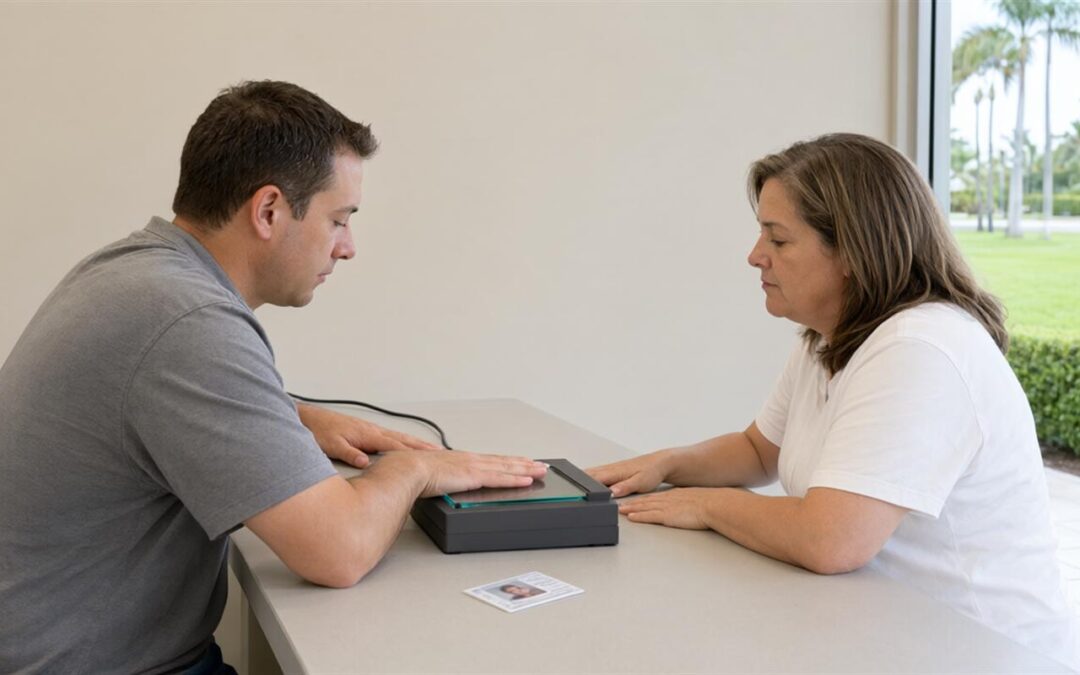
The appointment begins with a request that already names a purpose and a destination. Someone needs a record of your fingerprints, and a specific office expects to receive it. At the appointment, identity is verified with government-issued photo identification that is current and undamaged. The prints are then captured electronically on state-approved Livescan equipment, and the record is transmitted to the agency named in the request. A Livescan visit typically runs about 15 to 30 minutes, depending on how many prints are required and how the agency has set up its process.
Sunshine Mobile Notary, LLC offers fingerprinting as a non-notary service, on the same menu as courier work, permit running, county clerk recording, employment eligibility verification, and real estate photography. That placement matters, because a fingerprint request is not a notarization request, and the two are easy to confuse when a hiring packet mentions both. Livescan fingerprinting appointments in Fort Myers follow the same pattern as the practice’s other non-notary work: the agency’s instructions are confirmed first, and the appointment is built around them.
The Difference Between Fingerprinting and a Notarization
A notarial act is narrow by design. It involves identifying a signer, witnessing a signature, administering an oath or affirmation, and completing a notarial certificate that records what happened. Fingerprinting serves a different purpose altogether. It produces a biometric record that goes to an agency reviewing a background check. One documents a signing. The other documents identity for screening purposes, and neither stands in for the other.
That separation is why a notary commission does not cover fingerprint capture, and why a fingerprint record does not make a document notarized. If a process calls for both, handle them as two requests with two destinations. Say so when booking, so each one is set up on its own terms rather than folded into a single assumption about what the appointment will cover.
Confirm the Purpose and the Receiving Agency Before You Book
The purpose of the prints and the office that receives them settle most of the practical questions in advance. They determine which submission is entered at the appointment, where the record goes, and what you keep afterward. The requesting agency’s own written instructions are the authority here, not a general recollection of what a previous employer asked for. Read them before booking, and bring them along.
In most cases the applicant does not receive the fingerprint record itself. What you keep is a receipt or transaction number, and the requesting agency uses that reference to track the submission. Gathering the agency’s instructions and your identification before the call makes the booking conversation shorter. The information gathered when scheduling a mobile notary appointment overlaps almost completely with what a fingerprint visit needs, because both depend on knowing who receives the record and what deadline applies.
What to Bring to a Fingerprint Appointment
Five items cover most fingerprint appointments. Checking them the night before is faster than discovering a gap at the counter.
- A government-issued photo ID that is current and undamaged, such as a driver license or a passport.
- The agency’s instruction page, email, or letter, showing the purpose of the scan and the office that receives the record.
- Any form or reference number supplied by the employer, licensing board, or agency.
- A payment method, when the appointment itself carries a charge.
- Documentation of a legal name change, if the name on the identification differs from the name on the request.
Getting Your Hands Ready for the Scan
Livescan equipment reads ridge detail, and clean, dry hands give it the clearest image to work with. Lotion, hand cream, or a bandage over a fingertip can interfere with that capture, and a print that does not record clearly can mean a second visit. Arriving with bare fingertips where possible is a small step that removes one common reason for a repeat appointment.
A recent cut or a healed injury is worth mentioning at check-in. The person capturing the prints can then work around the affected finger or advise on whether the visit should be planned differently. Nothing about that conversation requires a diagnosis or an opinion on the injury; it is simply information that helps the scan proceed.
When the Request Comes From an Employer or a Licensing Board
An employer or a licensing board usually sets the requirement and receives the result. Much of the employment and licensing screening in Florida runs through Livescan, with results commonly routed to the Florida Department of Law Enforcement and, where federal records are needed, the FBI. The employer’s or board’s instructions still govern the appointment. A hiring packet or licensing application that names fingerprinting services Southwest Florida applicants should use is telling you two things at once: which vendor is acceptable and which agency receives the record.
Sunshine Mobile Notary, LLC verifies identity before the capture and sends results only to the office the request names. The screening decision belongs to the employer or the agency, not to the vendor who captured the prints, and no one at the appointment can speak to how that decision will land. If the identification requirement is unclear, review the identification documents a Florida appointment accepts before the visit.
Why a Fingerprint Appointment Sometimes Has to Be Repeated
An expired or damaged ID is the most ordinary cause. So is a name that does not match the request exactly, whether from a marriage, a divorce, or a hyphenation that was handled one way on the card and another way on the application. Those are matching problems, and they are usually visible before the appointment if the request and the ID are read side by side.
Other repeats come from choosing the wrong agency or submission type, from a print that did not capture clearly because of lotion or a bandage, or from a paper card turning up when the destination expects an electronic record. Read as a group, these are paperwork and image-quality issues rather than refusals. Asking two questions at booking, which agency and which submission, rules out most of them.
Scheduling, Hours, and the Service Area
Sunshine Mobile Notary, LLC is based at 13300 S. Cleveland Avenue, Fort Myers, FL 33907, and the practice’s mobile notary and signing work reaches Fort Myers, Cape Coral, North Fort Myers, Lehigh Acres, Bonita Springs, Estero, Sanibel and Captiva, Naples, Marco Island, Port Charlotte, and Punta Gorda. Appointment hours are 8 AM to 8 PM Monday through Saturday and 1 PM to 5 PM on Sunday. The practice’s approach to mobile notary service areas in Lee, Collier, and Charlotte Counties explains how an address becomes a workable appointment window.
Appointments can be arranged by phone at 239-691-0885, by email at [email protected], or through the booking page, and same-day availability is never assumed. Valerie Nation owns the practice. She held a Texas notary commission for four years, received a Florida commission and served an HOA community in Estero in 2021, opened the Fort Myers practice in July 2023, and spent 27 years working with small and large companies across agriculture, real estate, and private and government settings.
Key Takeaways
Five points carry most of the preparation for a fingerprint appointment.
- Confirm the receiving agency and the purpose of the scan before booking.
- Carry a current, undamaged government-issued photo ID.
- Keep the receipt or transaction number from the appointment.
- Arrive with clean, dry hands and no lotion, cream, or bandage on the fingertips.
- Expect the record to reach the requesting agency rather than the applicant.
Conclusion: Preparing for a Fingerprint Appointment in Southwest Florida
Preparation is what keeps a fingerprint appointment to one visit. Confirming the agency, carrying the right identification, and arriving with clean hands remove the delays that turn a short appointment into a second trip. Sunshine Mobile Notary, LLC handles Livescan fingerprinting in Fort Myers alongside mobile notary work, loan signings, apostille support, and county clerk recording, and the practice answers preparation questions before a visit is booked. Phone, email, and the booking page are all open for that conversation, with no obligation attached to asking.