A notarized document rejected at the counter is rarely the end of the story. The seal is on the page, the signature is in ink, and yet the packet came back with a note attached or a voicemail waiting. What follows is usually not a legal problem. It is a matching problem between what happened at the appointment and what the receiving office needed to see, and those two things can be lined up.
This guide is written for the moment after the return. It walks through how to read the notice, which layer of the process actually failed, and what a second appointment can and cannot repair.
Quick Answer: Start with the rejection notice rather than a new appointment. Find the specific requirement the receiving office says was not met, work out which layer it belongs to, and fix only that layer. The layers are the certificate, the identification, the version or number of copies, the recording and delivery route, and the office’s own instructions. A second notarial act is the answer when the certificate or the identification is what failed. It does not fix a wrong document version.
Key Takeaways:
- Ask for the reason in writing before booking anything.
- Match the return to its layer: certificate, identification, version, route, or recipient instruction.
- Re-notarize only for a certificate or identification defect.
- Confirm the version and the copy count before the corrected document goes back out.
- Keep the original notice with the file until the document is accepted.
Start With the Notice, Not With a New Appointment
Most returns carry a reason somewhere: a stamped slip, a checklist with a box marked, an email from a processor, or a line in a portal message. That reason is the most valuable thing in the envelope. Read it twice before deciding what to do, and separate what the office actually said from what it is easy to assume it meant. “Certificate incomplete” and “incorrect document” sound similar on a sticky note and point to completely different next steps.
If the notice is vague, or the return arrived as a phone call, ask the office to put the reason in writing. A short email is enough, and it only needs two things: which requirement was not met, and what the office needs to see instead. That request is not confrontational. Clerks, lenders, and title teams answer it all day. The purpose is to avoid a second appointment built on a guess, because re-signing before the diagnosis is finished is the most common way a short delay becomes a long one.
The Reasons a Document Comes Back After Notarization
When a notarized document rejected by a clerk’s office comes back with a sticky note instead of an explanation, the reason still tends to fall into one of a few categories. The categories matter because each one is repaired by a different person. A certificate defect goes back to a notary. A version problem goes back to whoever prepared the document. A delivery problem goes back to the courier or the upload portal. Reading the return as a routing question saves a lot of wasted motion.
- The certificate is missing a required element or describes a different act.
- The identification relied on does not satisfy the receiving office.
- The version is wrong, or the number of copies is short.
- The recording or delivery route did not match the instructions.
- The office’s own requirements were not met, even though the notarization was fine.
That last category is the one people overlook. A document can be notarized correctly and still be unusable for a particular purpose, because the office receiving it applies a rule of its own. When a note cites a policy rather than a defect, the fix is a conversation with that office, not another signature.
When the Certificate Is the Problem
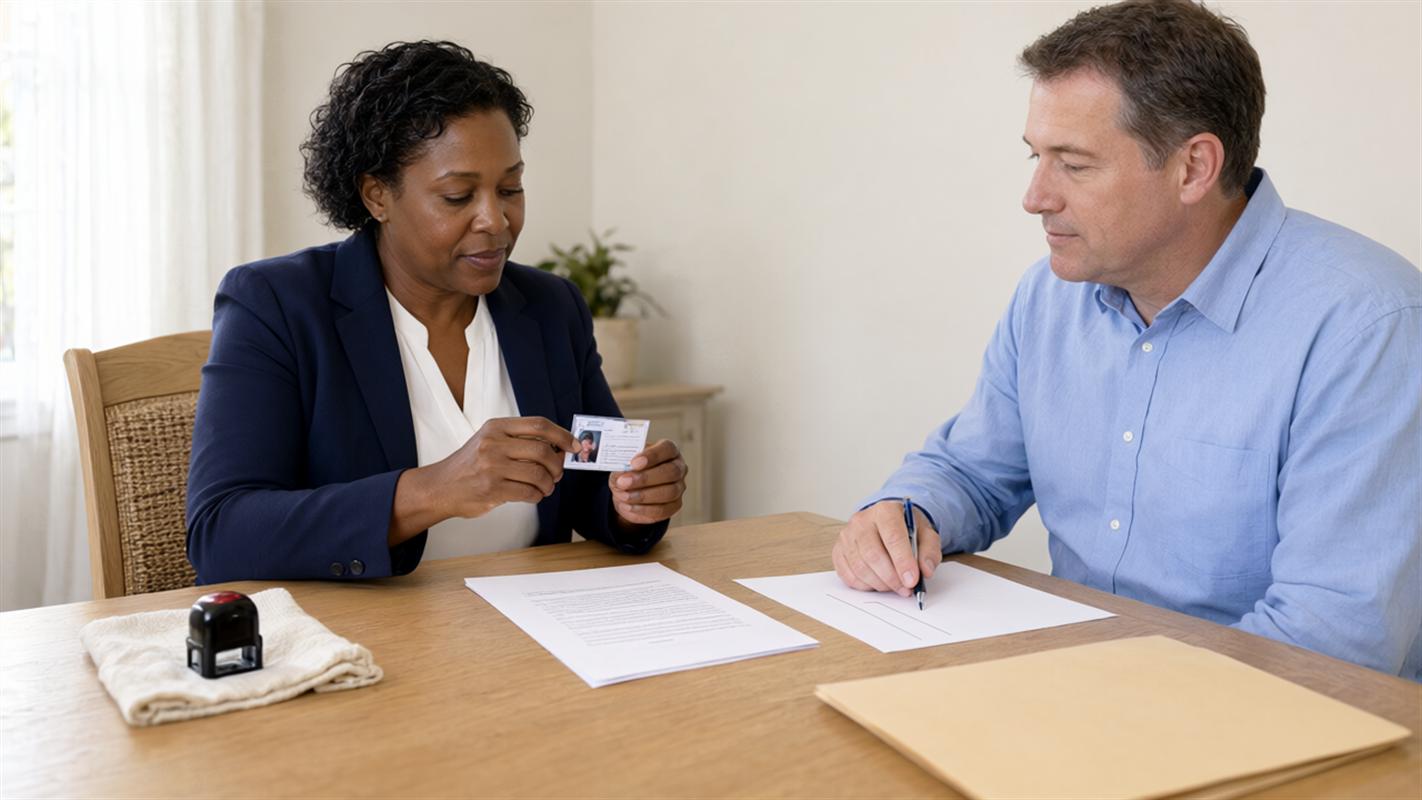
The notarial certificate is the block of text a notary completes, and it is a record of what happened at the appointment rather than a summary of the document. Florida requires it to state the venue, the type of notarial act, whether the signer appeared in person or by audio-video online notarization, the date, the signer’s name, and the type of identification relied on. The notary’s signature, printed name, and seal go with it. A certificate missing any of those pieces, or carrying a detail that contradicts the record, is a common reason a finished document comes back.
Identification is the second half of that layer. A notary may rely on personal knowledge or on satisfactory evidence of identity, using the identification types Florida lists, and a two-witness alternative exists in some circumstances. If the receiving office will not accept the type of identification that was used, or the name on the certificate does not match the name on the document, the notarization can be sound and still be refused. The act itself matters as well, because an acknowledgment and a jurat are not interchangeable. A jurat requires the signer to sign in the notary’s presence and swear or affirm that the statement is true, so a document completed with the wrong certificate form has to be handled again rather than edited.
When the Version or the Copies Are the Problem
Version problems look like notarization problems and are not. Some offices want the original with wet ink and a seal. Some want a certified copy from the custodian of the record. Some want an attested copy, which a notary may prepare by supervising the copying and confirming that it is a true, exact, complete, and unaltered copy, except for a vital record or a public record whose copy the custodian can make. An apostille is a further layer on top rather than a substitute for any of them. When the notice names a version, no amount of re-signing will satisfy it.
Copies counted wrong cause the same kind of return. A packet that needs two executed originals and one conformed copy is not satisfied by three photocopies, and a request for a full set back does not mean only the signature pages. Apostille submissions have their own version rule: Florida’s Division of Corporations issues them for Florida documents and requires the original notarized document with the original notary signature, stamp, and seal. A photocopy is not accepted, the fee is $10 per document, and the request has to state the country where the document will be used. Matching the document version to the recipient is worth settling before anything is reprinted or re-signed.
What a New Appointment Can Fix, and What It Cannot
The right answer for a certificate defect, or an identification the office will not accept, is a second appointment. The signer appears again, the notary performs a new notarial act on a corrected document, and the new certificate reflects the corrected record. What the new act cannot do is change the first one. A completed certificate records what happened at that appointment, and a notary cannot restate it afterward as a different act or a different date. The correction is a new act, not an edit.
That distinction sets the boundary. A new appointment does not repair a version that was wrong from the start, a missing page, a short copy count, or an office that wanted a different form entirely. It also does not change what the first certificate says. Florida caps the fee for a single notarial act at $10, so a redo is inexpensive next to the cost of a missed deadline, but only when the redo addresses the actual defect. Booking a second signing for a version problem just produces a second correctly notarized document that the office still will not take.
Before the Corrected Document Goes Back Out
Reading the notice again before resubmitting is not busywork. It is the step that catches the second defect nobody mentioned the first time. Confirm the certificate carries every required element and describes the act that was actually performed. Check the version and the copy count against the office’s instruction. Confirm that any signature line that had to stay blank at the first appointment is still blank, and that the pages are in order. Then check the route: the right county clerk, the right portal, the right return address.
A short call or email to the receiving office before the corrected packet leaves is usually worth the few minutes. Ask whether anything else in the file needs attention, and whether that office will handle the resubmission. The post-signing document workflow covers the handoff in more detail, including who keeps the original and what to retain for the file. How to confirm a recipient will accept your notarized document is the companion question to ask before the first appointment, and it is the one that keeps this list short.
Frequently Asked Questions About a Returned Notarized Document
Does a returned document mean the notarization was invalid?
Not necessarily. A return usually says the document did not meet a receiving office’s requirement, which is a different statement from a defective notarial act. The certificate can be complete and correct while the version is wrong. Read the notice for what it actually claims before assuming the notarization itself failed.
Does the same notary have to handle the second appointment?
Nothing in the process requires it. Any commissioned notary can perform a new notarial act on the corrected document. Returning to the notary who handled the first appointment is often simpler, because that person already knows the certificate, the act, and the details of the earlier appointment.
What if the office will only explain the problem by phone?
Ask for it in writing anyway, even as a short email confirming the conversation. A written reason is what a notary, a document preparer, or a title team can act on, and it settles later disagreement about what was requested. Keep it with the file until the resubmitted document is accepted.
Conclusion: What to Do Next
A notarized document rejected once can usually be corrected and sent back, provided the right layer gets fixed. Read the notice, name the layer, repair only that layer, and confirm the version before the packet leaves again. Where the certificate or the identification is the defect, a new notarial act resolves it. Where the document or the copy count is the defect, the paperwork has to change first.
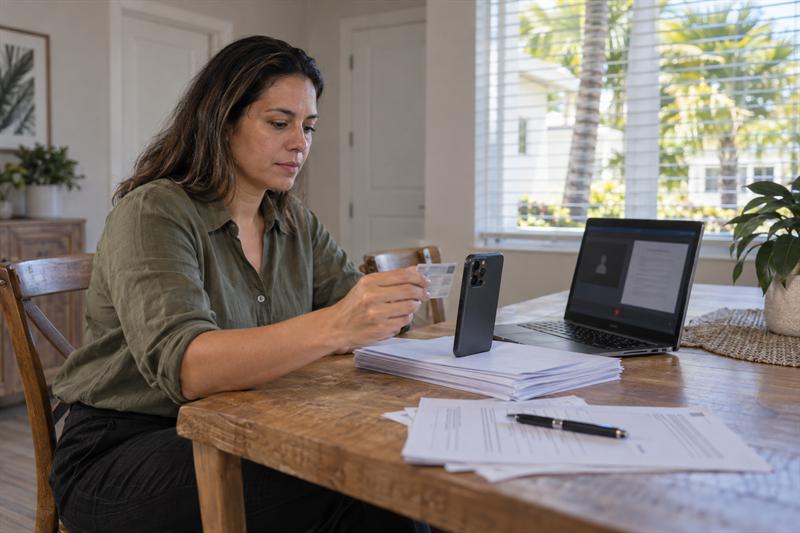
Sunshine Mobile Notary, LLC, owned by Valerie Nation, provides mobile appointments to a home, office, hospital, assisted living facility, or title office, along with remote online notarization through a secure audio-video session on two platforms. Appointments cover Fort Myers, Cape Coral, North Fort Myers, Lehigh Acres, Bonita Springs, Estero, Sanibel, Captiva, Naples, North Naples, Ave Maria, Immokalee, Marco Island, Port Charlotte, Punta Gorda, and Rotonda West. A mobile notary appointment in Fort Myers can be arranged around a corrected certificate, and remote online notarization appointments suit a signer who is out of the area. Sending the rejection notice along with the request lets the next appointment be planned around the specific defect instead of starting over.