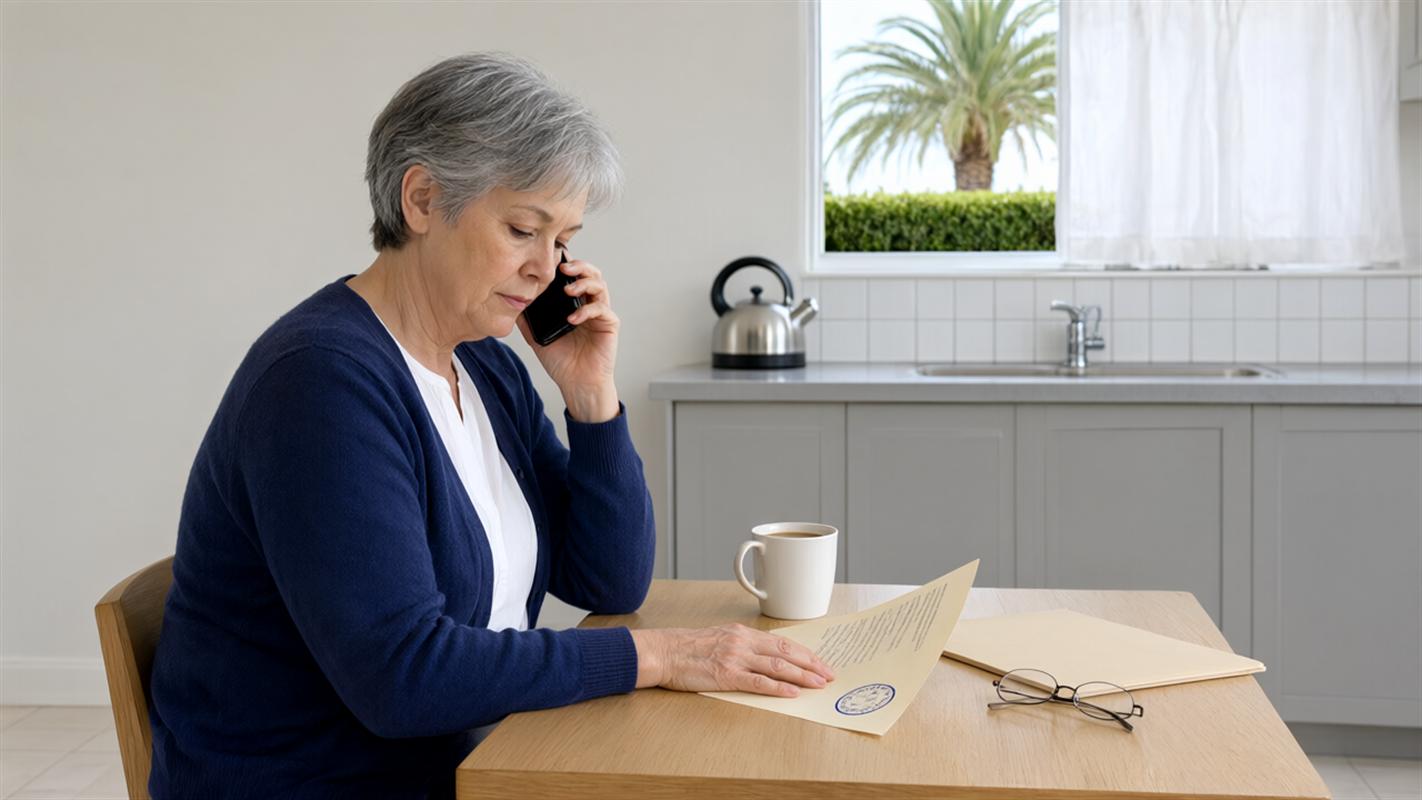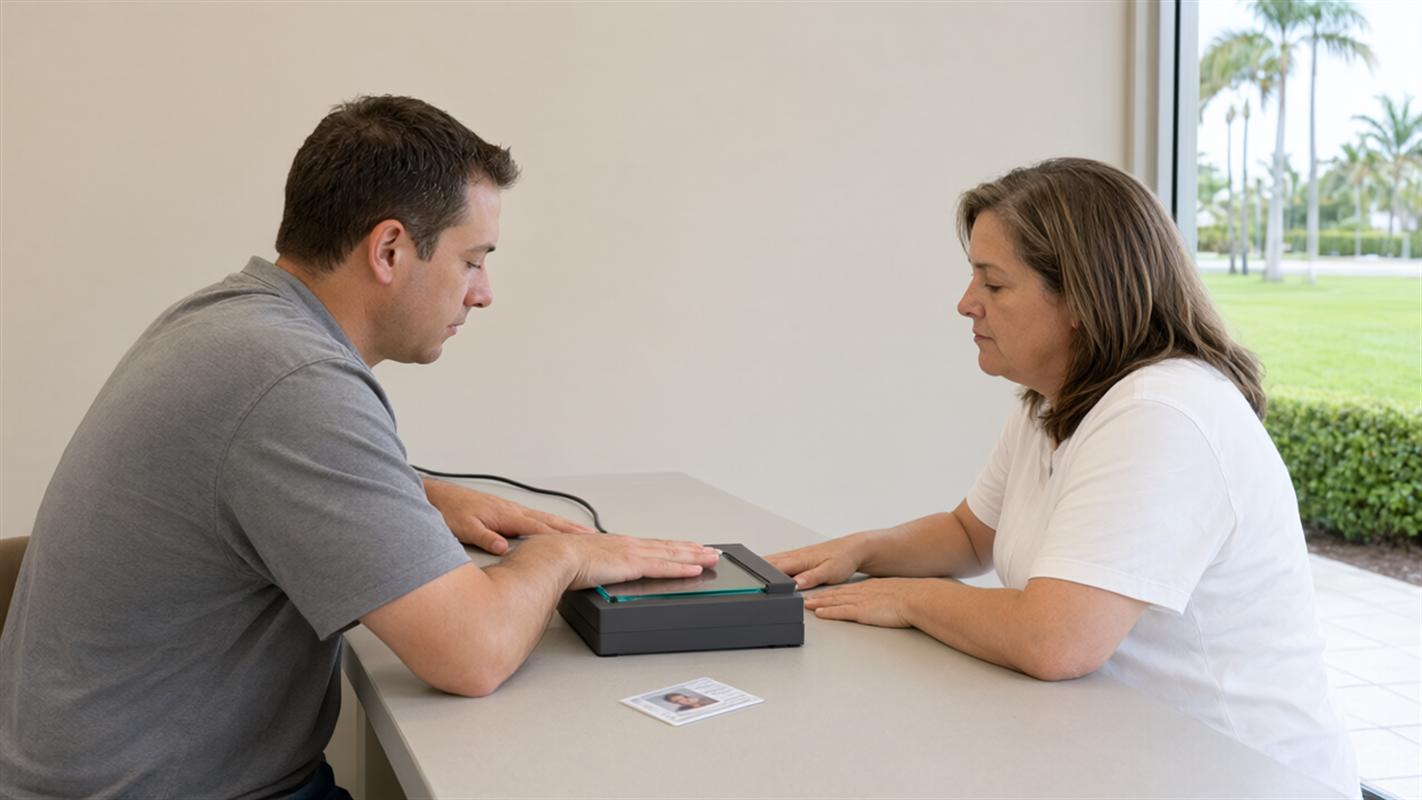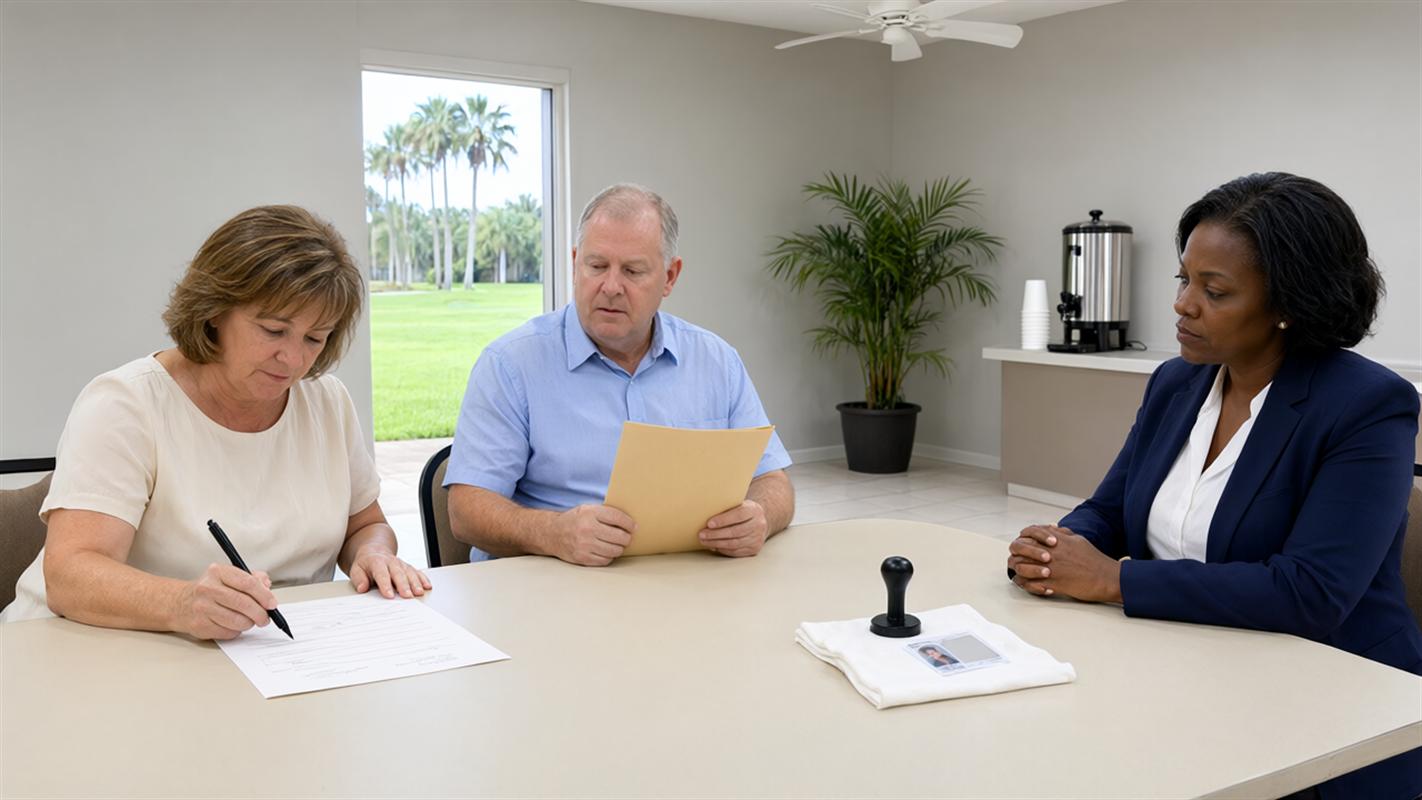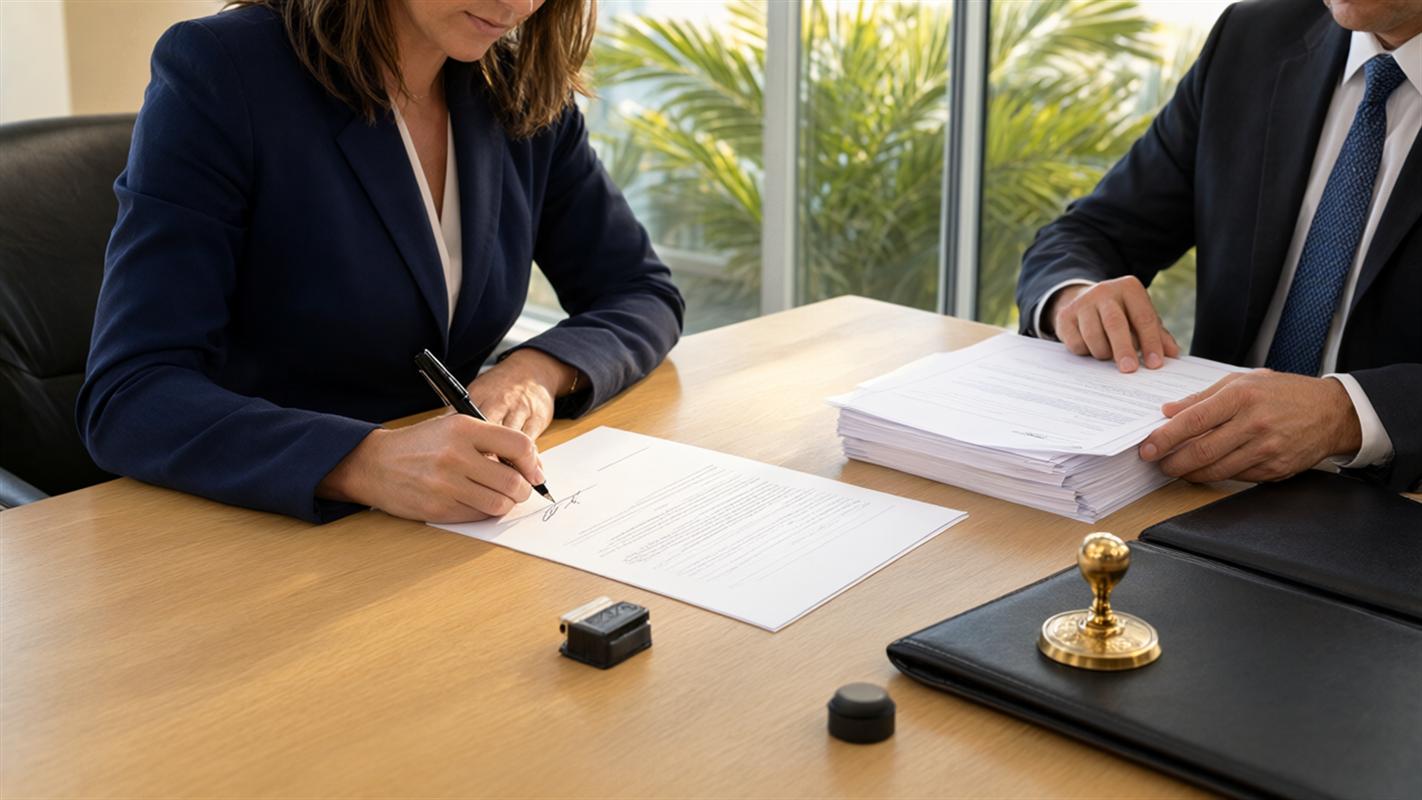
Searches for permit runner services Southwest Florida usually begin with a deadline that is already running. A building permit, a signed contract, or an authorization letter has to reach a specific office, and something has to come back with a stamp, a receipt, or a correction on it. Mail, a courier, and a runner all move paper, but they do not offer the same amount of control. This guide covers what a runner actually carries, where the job stops, and how to judge whether a trip to the counter is worth making.
Key Takeaways
A runner is a delivery layer for paperwork, not a decision-maker on it. Four points tend to settle whether the errand is worth scheduling:
- A runner carries the folder to the counter that receives it and brings back whatever the office hands over.
- The building department, not the runner, decides what happens to an application.
- Mail and an office’s own portal handle some errands without a trip at all.
- The address, the counter hours, and the receiving office’s instructions decide whether a runner is practical.
What a Permit Runner Actually Does
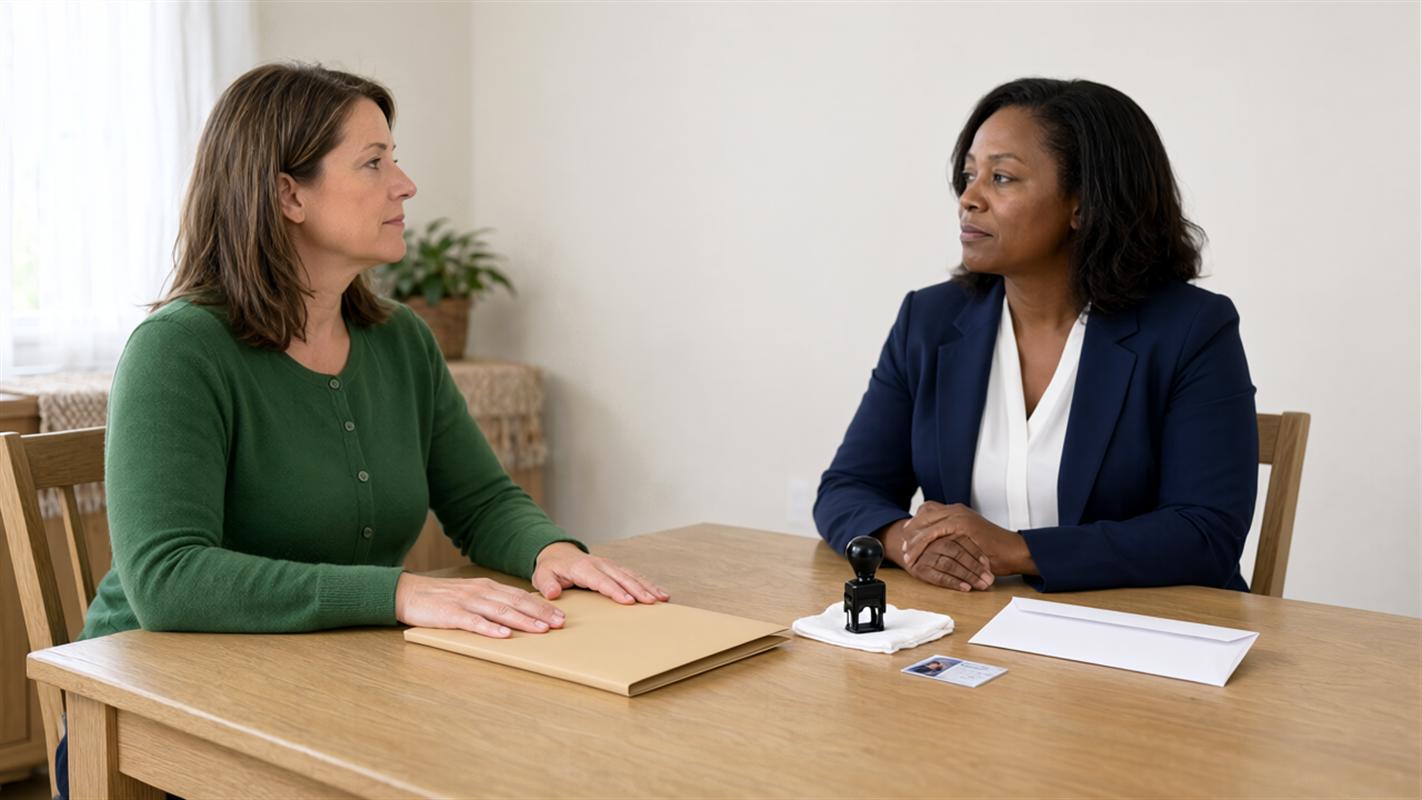
A runner carries the folder. That means taking an application, a plan set, or a signed form to the counter that receives it, waiting while it is checked in, and coming back with whatever the office hands over: a stamped copy, a receipt, a list of corrections, or a file number to keep.
Permit runner and courier work sit on the same published service menu as notarization at Sunshine Mobile Notary, LLC. That menu also lists mobile notary appointments, remote online notarization on two platforms, Livescan fingerprinting, county clerk recording support, employment eligibility verification, and real estate photos. The owner, Valerie Nation, held a Texas notary commission for four years before opening the business in July 2023, served an HOA community in Estero in 2021, and spent 27 years working with small and large companies across agriculture, real estate, and private and government settings.
Two Different Errands: Permits and Paperwork
A permit errand is tied to a property. The address, the department, and the file or application number are what the counter asks about first, and the department sets its own rules about who may submit and who may pick up. A document errand is tied to a person or a company instead: the receiving office might be a clerk, an agency, an employer, or a title team, and each of those keeps its own instructions.
The preparation differs even when the driving is identical. A permit folder often travels with a plan set and an owner’s authorization, while a document errand might be a single page that needs a signature and a return envelope. Reading the receiving office’s instructions first is what keeps two similar-looking errands from being planned the same way.
What a Permit Runner Does Not Do
A runner moves paper; the department decides what happens to it. Whether an application is accepted, held for more information, or turned down is the office’s call, and that call is not one a runner can make or predict.
The notary role is narrower still. In Florida a notary is commissioned to witness a signing, confirm the signer’s identity, and complete the notarial certificate. That work does not include legal advice, interpreting a document, or telling anyone whether to sign. A question about what a form means belongs with the document’s author, the attorney who drafted it, or the office that issued the instructions, which is a boundary worth knowing before the folder leaves the house.
When a Runner Is More Practical Than Mail or Courier
The choice comes down to how much control the errand needs. Mail asks the least of you and gives the least back. Once the envelope is gone, there is no one at the counter to answer a question, and a missing page turns into a second round trip.
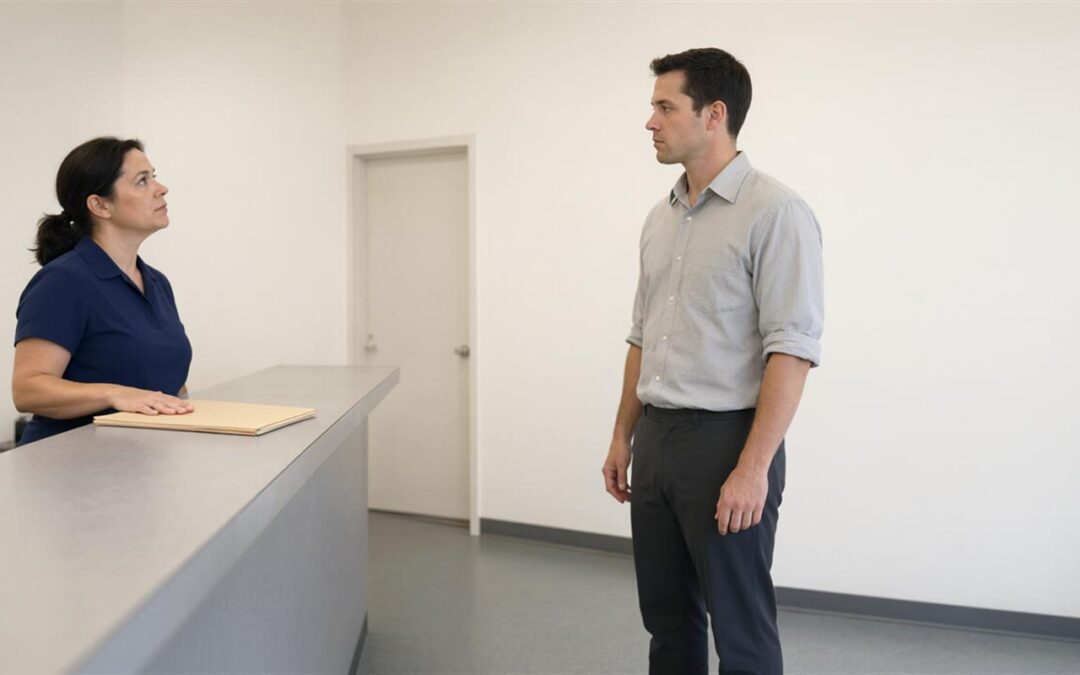
A courier service moves a package and confirms that a package arrived. What it does not do is stand at the counter, hand the folder to a clerk, and hear that the copy behind page four is missing. A runner does, which is why a correction can come back on the same trip instead of a week later.
Most of the permit runner services Southwest Florida clients ask about come down to this one trade-off: how much control the errand needs before the paper lands on the right desk. A trip earns its place when a deadline is tied to a property, when the office accepts submissions only in person, when an original cannot be lost, or when the counter is likely to raise a question that needs an answer on the spot. It rarely earns its place for a single page that the office accepts by mail or through a portal of its own.
Signature errands follow the same logic. Mobile appointments are made at a home, an office, a hospital, an assisted living facility, or a title office, and remote online notarization is offered on two platforms when a document qualifies and the receiving office accepts that format. The question stays the same: does this task need someone present, or does it not?
Where the Errand Usually Ends
Where the errand ends depends on what the document is for. Some folders stop at a building department counter, some at an agency’s intake desk, and some at a clerk’s office where a document is recorded. Recording runs through the clerk of the circuit court for the county where the document is recorded, and many county clerks publish a searchable index and issue their own reference number for what they record.
The return leg is part of the job. A receipt, a recorded copy, or a file number has to get back to whoever keeps the file, and that is the step that stalls when an errand is treated as finished at the counter. A pre-submission check is worth the trouble here, and the guide to county clerk recording support in Southwest Florida covers the details each office tends to ask about.
Signed Originals Belong to a Different Errand
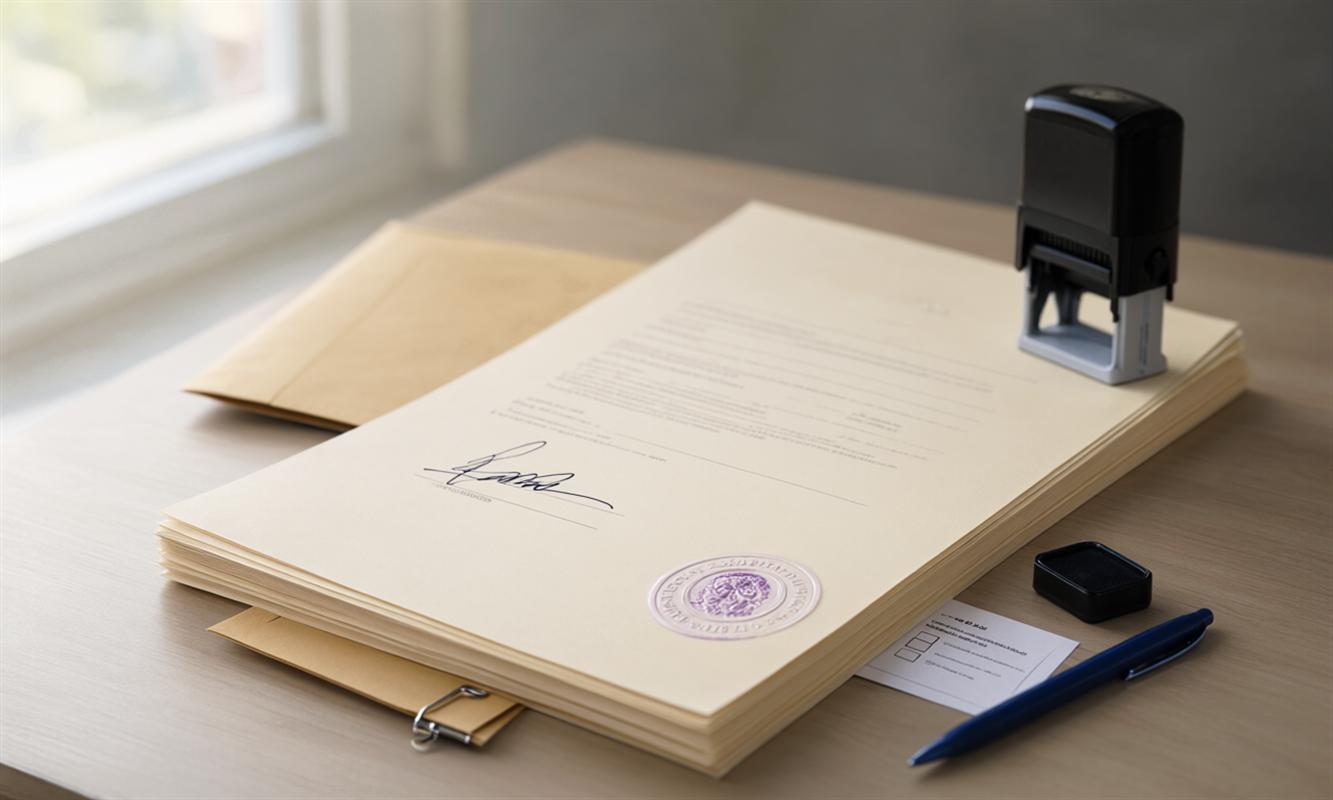
A signed original is a different errand. It carries a signature and often a seal, so it is handled as its own job with its own custody steps, rather than as a folder the office will keep. Where a permit run ends at a counter, a signed original usually has to come back or go onward to someone else.
That change of direction is what makes the handling matter. A document that has to reach an employer, a lender, or a title team needs to arrive intact and remain findable afterwards, which is a custody question rather than a traffic one. Signed-original delivery is offered as its own service, separate from permit and document running, and the walkthrough on handling signed originals after a notarization explains how the return leg is planned.
What to Have Ready Before an Errand Is Scheduled
An errand goes more smoothly when the folder is assembled before it is scheduled. The receiving office’s own written instructions decide most of what follows, so start there and read them as the checklist rather than as background reading.
- The department’s or receiving office’s written submission instructions
- The property address and any file, application, or parcel number
- A contact name and number at the office that will receive the paperwork
- Every document complete and unsigned, with signature lines left blank
- A return address or contact for anything the office hands back
Appointment hours are 8 AM to 8 PM Monday through Saturday, and 1 PM to 5 PM on Sunday. Those hours are worth holding against the receiving office’s own counter hours before a time is set, since a convenient appointment and a closed counter do not make a useful pairing.
Where the Service Area Fits
The service area runs across Lee, Collier, and Charlotte Counties: Fort Myers, Cape Coral, North Fort Myers, Lehigh Acres, Bonita Springs, Estero, Sanibel and Captiva, North Naples, Naples, Ave Maria, Immokalee, Marco Island, Port Charlotte, Punta Gorda, and Rotonda West. A city on that list does not by itself mean that any address at any hour is covered. An address and a time window are what decide whether a trip fits, and the routing notes in mobile notary service areas across Lee, Collier, and Charlotte Counties explain how that is worked out.
Questions That Come Up
The questions about permit runner services Southwest Florida owners and contractors send in most often are answered together below.
Does a runner need to be a notary?
The two roles are separate. A runner carries documents to an office and returns whatever comes back, while a notary’s commission covers witnessing, identity, and the certificate itself. Where one document needs both steps, they are arranged as two parts of the same appointment.
Can a runner submit paperwork for someone else’s property?
That depends on the receiving office rather than on the runner. Each department and clerk has its own rule about who may hand over or collect paperwork on an owner’s behalf, and some ask for written authorization while others expect the owner to appear. Confirm the requirement before the errand is scheduled, including what form any authorization should take.
What happens if the office rejects the paperwork at the counter?
The folder comes back with whatever the counter provided: a note, a correction list, or a missing form. Reading that note is the next step, and the answer to it usually sits with the owner, the contractor, or the clerk who wrote the correction list rather than with whoever carried the folder. A runner can return with the corrected page, but the correction itself has to come from the party the office is asking.
Conclusion: Deciding Whether an Errand Calls for a Runner
The rule of thumb is short. If the paper needs someone at a counter, a runner is the practical route; if it does not, mail or the office’s portal may be enough. Everything else — the address, the counter hours, the department’s instructions — decides how a trip is planned rather than whether one is needed.
Sunshine Mobile Notary, LLC works from 13300 S. Cleveland Avenue, Fort Myers, FL 33907, and takes requests by phone at 239-691-0885, by email at [email protected], or through the site. A short description of the file and the office it has to reach is enough to start the conversation. The notary public service in Fort Myers page covers the signing side of the work, and the service menu on the Sunshine Mobile Notary homepage lists the rest of what the practice handles.
⚠️ File-mutation verifier: 1 file edit(s) FAILED this turn despite any wording above that may suggest otherwise. Run `git status` or `read_file` to confirm what actually landed.
• `/home/richard/.hermes/cache/scratch/find_row.py` — [write_file] Refusing to overwrite `/home/richard/.hermes/cache/scratch/find_row.py`: `/home/richard/.hermes/cache/scratch/find_row.py` exists but this task has not seen its full current content (…