Quick Answer: In Florida, documents tied to sworn statements, legal authority, property transfers, or certain financial transactions commonly need notarization. If a court, lender, title company, or government agency needs reliable identity verification, notarization is often part of the process.
Understanding What Notarization Means in Florida
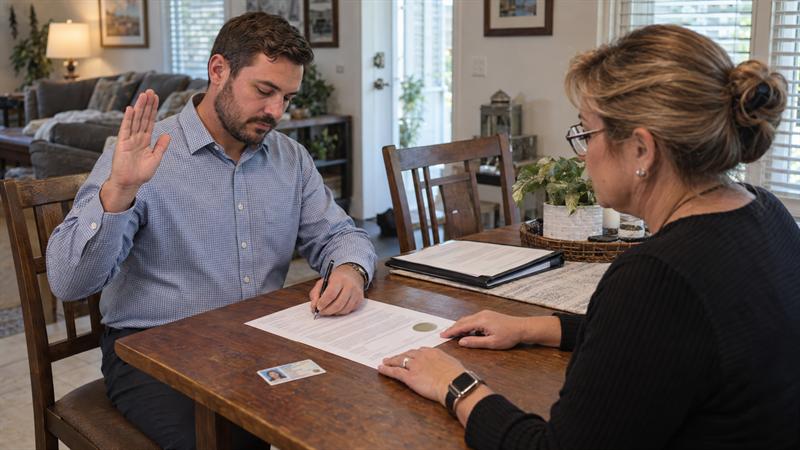
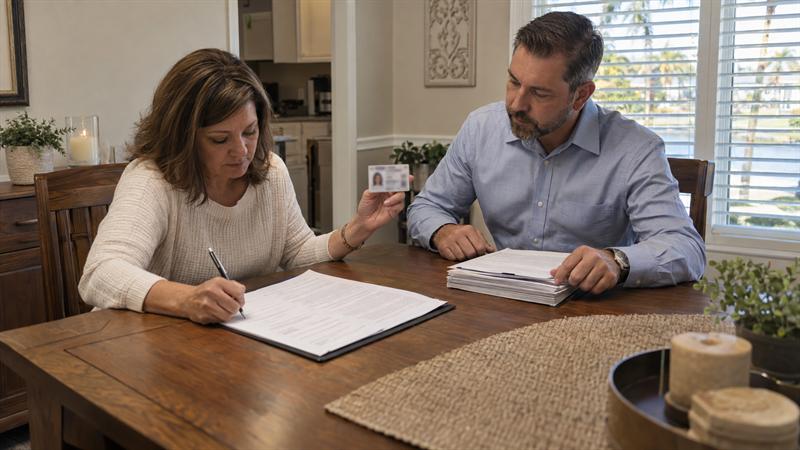
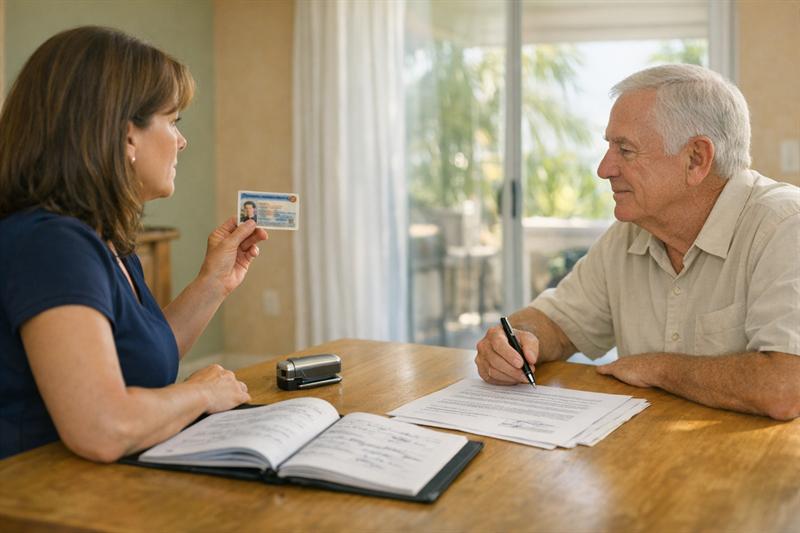
Notarization is the process of verifying a signer’s identity and witnessing the signature. It helps show that the person signing is who they claim to be and is signing willingly.
This step is easy to overlook, but it matters. A document may seem complete, yet if notarization is required and missing, the receiving party may reject it or ask for it to be redone.
- Confirms identity
- Helps deter fraud
- Adds formality and credibility to important documents
A notary does not review, interpret, or approve the content of a document. The role is limited to identity verification and proper notarization, which is why documents can still be refused if the receiving party has separate requirements.
Documents That Commonly Require Notarization in Florida
Certain documents are frequently notarized because they involve sworn statements, legal authority, property rights, or financial obligations. In many of these situations, missing notarization can delay processing or acceptance.
Legal Documents
Legal documents often require notarization because identity and intent need to be clearly established.
- Power of attorney
- Affidavits and sworn statements
- Trust documents
- Certain court-related filings
For example, a power of attorney is often expected to be notarized before banks, healthcare providers, or other institutions will rely on it.
Real Estate Documents
Real estate paperwork commonly involves notarization because of the value and legal effect of the transaction.
- Deeds, including quitclaim and warranty deeds
- Mortgage and loan closing documents
- Property transfer paperwork
When real estate documents are signed without the required notarization or witness setup, closings and recordings can be delayed until the paperwork is corrected.
Financial Documents
Financial institutions often request notarization to confirm identity and reduce fraud risk.
- Loan agreements
- Financial affidavits
- Certain banking forms
If notarization is missing, documents may be held for review or returned for correction, which can slow down funding or account-related requests.
Personal and Family Documents
These documents may involve consent, authorization, or responsibility, and notarization is sometimes required depending on how the document will be used.
- Parental consent forms
- Adoption-related documents
- Travel consent letters for minors
If notarization is required and not completed, these documents may not be accepted by schools, travel providers, agencies, or other receiving parties.
Some documents also need additional authentication for international use. In those cases, notarization may be the first step before further processing, such as obtaining an apostille.
Documents That May Not Require Notarization (But Sometimes Do)
Not every document requires notarization, and this is where confusion often starts.
Examples include:
- Contracts and agreements
- Employment forms
- Business documents
- School paperwork
The requirement usually depends on who is receiving the document. Some organizations ask for notarization for added verification even when it is not strictly required by law.
That is why it helps to confirm the requirement before signing or submitting anything. Doing so can save time and prevent avoidable back-and-forth.
What Makes a Document Eligible for Notarization
Before notarization can take place, the document needs to meet a few basic conditions. If one is missing, the appointment may need to pause until it is corrected.
- The document should be complete and ready for signing
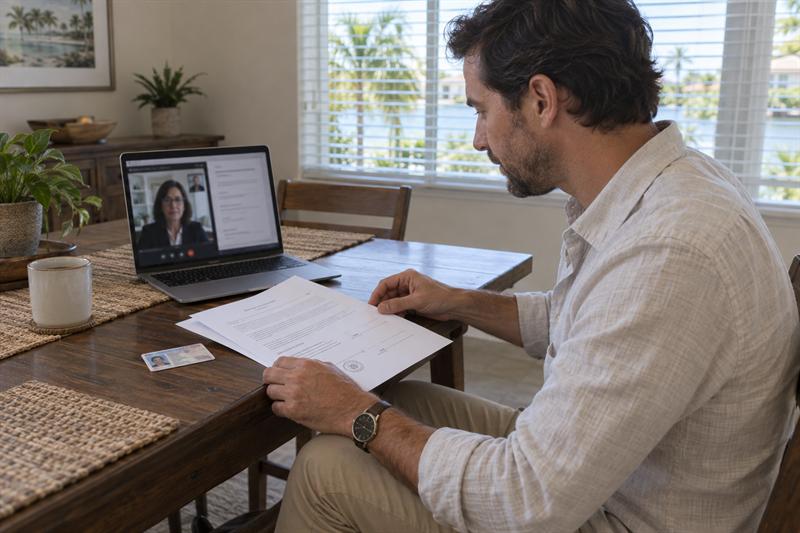
- The signer must appear before the notary, either in person or through an approved online process
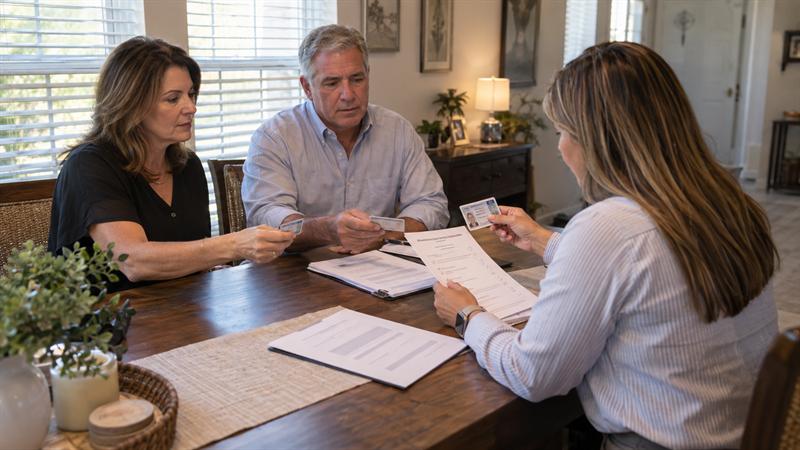
- A valid government-issued ID is typically required
- The document should include the correct notarial wording when needed
One of the most common problems is arriving with a document that is already signed, incomplete, or missing notarial language. Checking these details in advance makes the appointment much smoother.
For more details on specific situations, review common notarization questions answered.
What You Need Before Meeting a Notary in Florida
Preparation plays a major role in how smoothly the appointment goes.
- Valid government-issued photo ID
- All required signers present
- Document prepared but not signed
- Witnesses, if required
Missing witnesses or bringing unacceptable identification can delay the process, especially when the document is time-sensitive.
Mobile and Online Notarization Options in Florida
Notarization can be completed in different ways depending on the document and the signer’s situation.
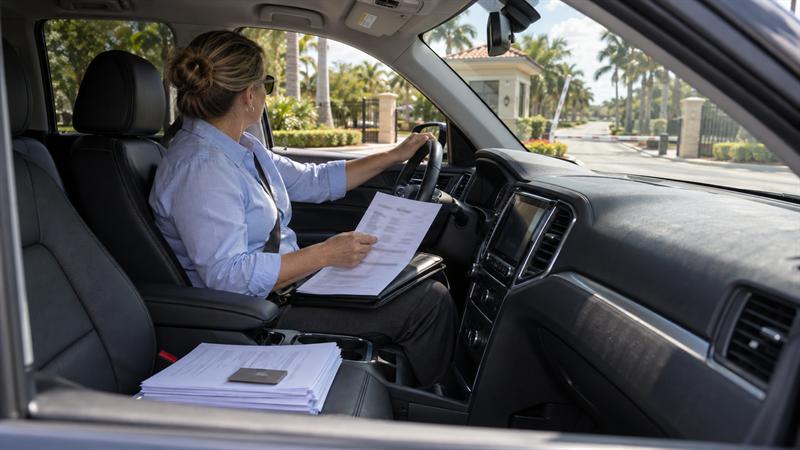
Mobile notary services are often used when:
- Travel is difficult or inconvenient
- Documents need to be signed at a home, hospital, or workplace
- Multiple people need to sign in one location
Remote online notarization is often used when:
- A fully digital process is preferred
- Scheduling or distance is a challenge
At Sunshine Mobile Notary, LLC, both options are available depending on the type of document and the circumstances. Mobile service can make in-person signing easier, while online notarization can be a practical option for eligible documents when convenience matters.
For a step-by-step overview, see what to expect and how to book a mobile notary.
Common Mistakes to Avoid
Most notarization problems come down to a few avoidable mistakes.
- Signing the document before meeting the notary
- Bringing incorrect or expired ID
- Assuming notarization is always required
- Forgetting required witnesses
- Using incomplete documents
When any of these issues come up, the document may need to be corrected or signed again, which can slow the process down.
Key Takeaways
- Not all documents require notarization, but many legal, real estate, and financial documents do
- Missing notarization can delay acceptance or processing
- Preparation helps avoid repeat appointments and last-minute issues
- Mobile and online options can make the process more flexible
Conclusion
The challenge is not only knowing which documents need notarization. It is also making sure the signing is handled correctly from the start.
When notarization is required but missed or completed incorrectly, paperwork can be delayed, returned, or require another appointment. That adds unnecessary stress and extra steps.
Sunshine Mobile Notary, LLC helps simplify the process by confirming appointment details, reviewing readiness requirements, and making notarization more convenient. Whether the situation calls for mobile service or online notarization, the goal is to help clients move forward without avoidable setbacks.
If a document may need notarization and the requirements are unclear, checking before you sign can save time. Scheduling with a mobile notary can be a simple way to keep the process moving.
How Sunshine Mobile Notary, LLC Approaches Notarization
At Sunshine Mobile Notary, LLC, the focus is on helping clients avoid the issues that commonly slow down notarization.
That includes confirming document readiness, reviewing identification requirements, and making sure all required signers and witnesses are available before the appointment begins.
Appointments are handled with a clear, practical process so documents can be completed correctly and efficiently whenever possible.
Learn more or get started at Sunshine Mobile Notary, LLC.
FAQ
Do all documents need to be notarized in Florida?
No, not all documents require notarization. Many are accepted without it unless a specific organization, agency, or process requires identity verification. Checking the requirement in advance helps avoid delays.
What are the most common documents that require notarization?
Common examples include powers of attorney, affidavits, real estate documents, and some financial forms. These documents often involve sworn statements, authority, or significant transactions, which is why notarization is frequently requested or required.
Can a document be notarized online in Florida?
Yes, Florida allows remote online notarization for eligible documents. Identity and signatures are verified through an approved online process, which can be a convenient option when an in-person meeting is not practical.
What kind of ID is required for notarization in Florida?
A valid government-issued photo ID is typically required, such as a driver’s license or passport. The notary uses it to confirm the signer’s identity before completing the notarization.
Can I sign a document before meeting a notary?
In many cases, no. Documents are usually signed in the notary’s presence unless the notarial act allows otherwise. Signing too early can create problems and may require the document to be signed again.
Do contracts need to be notarized in Florida?
Most contracts do not require notarization, but some receiving parties request it for added verification. If notarization is expected and missing, the document may be delayed or refused.