
Quick Answer: Use a mobile notary when getting every required signer, witness, document, and acceptable ID to a bank is the real obstacle. A bank or walk-in location can work for a simple, flexible signing, but a mobile appointment is often more practical when travel, timing, mobility, or coordination would delay the process.
Sunshine Mobile Notary, LLC provides mobile notary services for Southwest Florida signers who need an appointment at a location that fits the signing. The same basic requirements still apply: the document must be ready, signers need acceptable identification, and each signer must participate willingly in the notarization.
The Short Answer: Use a Mobile Notary When Getting to a Notary Is the Hard Part
A mobile notary is often the better option when traveling to a bank or walk-in location would disrupt the signing or create a scheduling problem. That can include a signer who cannot travel easily, several people who must sign together, witness coordination, a work schedule, a care-facility visit, or a real estate appointment at a fixed time and place.
- Choose a bank or walk-in notary when one prepared signer can travel during confirmed notary hours.
- Choose a mobile notary when the signing needs to happen at a residence, office, title location, hospital, care community, or another agreed location.
- Consider remote online notarization when distance is the main issue and the receiving organization accepts an online notarization.
The document title alone does not determine the best option. The practical question is whether the people, identification, witnesses, and instructions can be coordinated correctly. When those details are not addressed first, a signing may be delayed because of a missing signature, unavailable witness, or incomplete appointment preparation.
Mobile Notary vs. Bank Notary vs. Walk-In Notary vs. Remote Online Notarization
Each option handles the same basic need in a different setting. The right choice depends on the signing logistics and the requirements set by the attorney, title company, lender, court, agency, employer, or other organization receiving the document. For a closer comparison, read Mobile Notary vs. Online Notary: Which Option Is Right for You?.
When a Bank Notary May Be Enough
A bank notary can be a sensible choice for a straightforward appointment. It is generally a good fit when the signer can travel easily, has a flexible schedule, has confirmed the branch offers notary services, and does not need a special signing location.
- One signer is available during the bank’s confirmed notary hours.
- The document is complete and ready for signing.
- No special location is needed.
- Any witness requirements have already been confirmed.
Do not assume a branch has a notary available simply because the bank is open. Notary availability may differ from branch hours. Confirm the appointment, the document type, and any witness policy before making the trip.
When a Walk-In Notary Location May Be Enough
A retail or office-based notary location can also work when the signing is simple and the signer has flexibility. It may be useful when copies, shipping, scanning, or faxing are needed after the notarization.
Walk-in service becomes less practical when several people must arrive together or when a signer cannot leave a residence, workplace, hospital, or care setting. Confirm notary hours separately from general business hours so the appointment is not delayed by an unavailable notary.
When an In-Person Mobile Notary Is the Better Fit
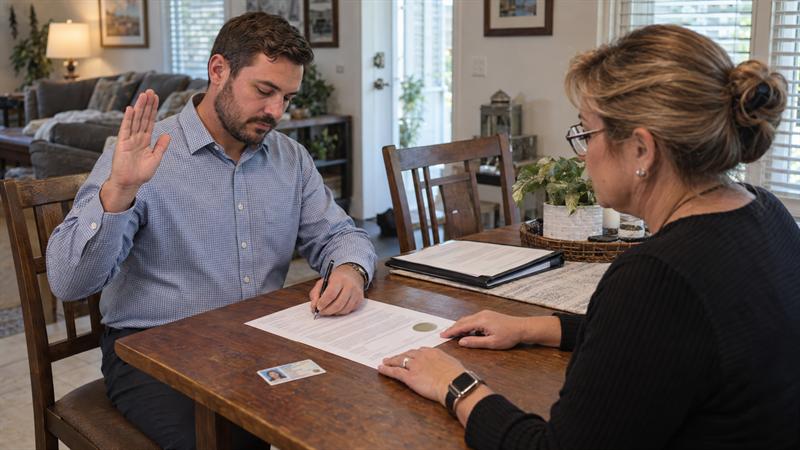
An in-person mobile notary travels to an agreed signing location, such as a home, workplace, care community, title office, or other suitable meeting place. This is often the more practical option when the signing location cannot change but the notary appointment can.
For example, a family may need several signers to meet at one location, while one person cannot travel or a witness must attend. Rather than coordinating separate bank visits, a mobile appointment can bring the notarial act to the place where the required people can meet.
Mobile service changes where the appointment happens. It does not remove requirements for identification, document readiness, signer willingness, or proper execution. Readers looking for local preparation and booking guidance can review Mobile Notary Fort Myers: What to Expect and How to Book.
When Remote Online Notarization May Be Worth Exploring
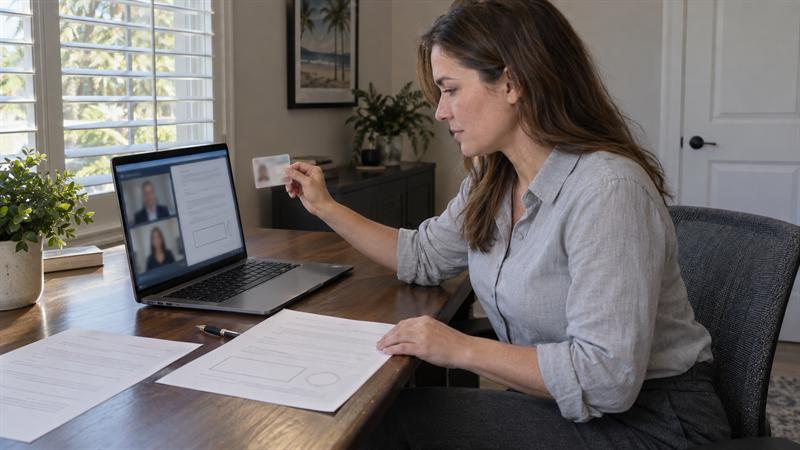
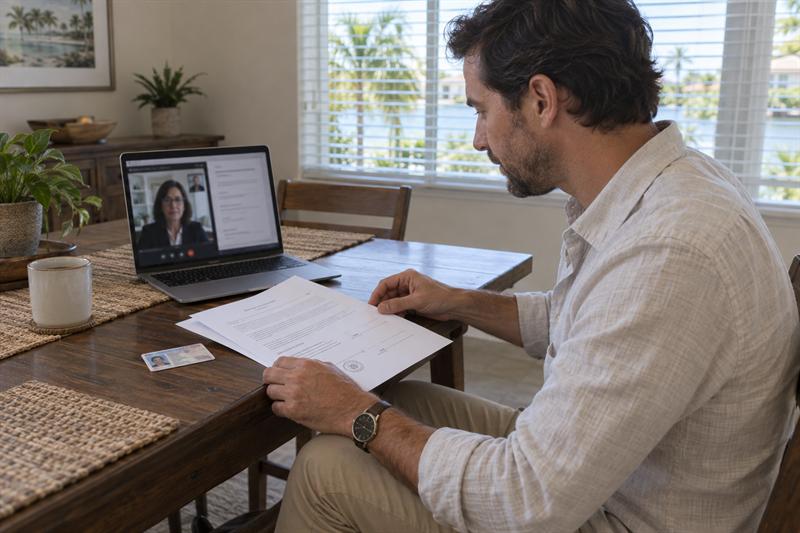
Remote online notarization addresses a different problem: distance. It can be useful when signers are in separate locations and cannot meet in person, provided the receiving organization accepts remote notarization and the signer can complete the required online identity-verification process.
Before choosing remote notarization, confirm that the lender, title company, agency, or other document recipient accepts it. Some recipients require an in-person signing, and confirming that requirement early helps avoid changing plans later.
5 Situations Where a Mobile Notary Can Make Sense
1. A Signer Cannot Easily Leave Home, a Hospital, or a Care Setting
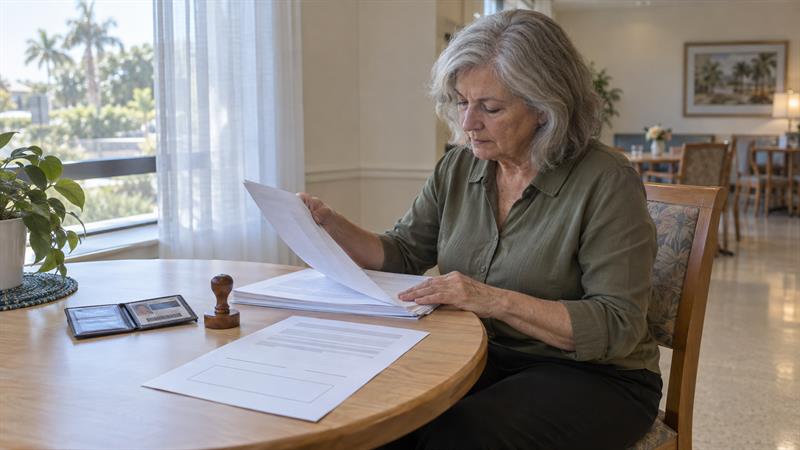
A mobile notary is often a practical option when transportation or mobility prevents a signer from visiting a bank. This may apply to someone recovering at home, staying in a rehabilitation setting, living in assisted living, or receiving care in a hospital.
Facility access should be handled before the appointment. Visitor rules, check-in procedures, acceptable identification, document readiness, and the signer’s ability to communicate directly all need attention. Families and staff can help the appointment go more smoothly by confirming access rules and locating the signer’s ID in advance.
2. Multiple Signers Need to Meet at One Location
When spouses, family members, business partners, or transaction participants must sign together, one mobile appointment can reduce scheduling conflicts and help keep the document package organized. The important step is confirming who must attend and whether each person must sign in the notary’s presence.
If a signer is absent or arrives without acceptable identification, the signing may not proceed as planned. A mobile appointment works best when the attendees, documents, and witnesses are confirmed before the notary travels.
3. A Real Estate, Lending, or Business Signing Has a Fixed Time and Place
Real estate, lending, and business documents are often coordinated around a title office, workplace, residence, or another fixed meeting point. Moving all parties to a bank can add an unnecessary step and interfere with the transaction schedule.
The notary’s role is limited to the authorized notarial act. Questions about closing instructions, settlement details, legal terms, or document requirements should go to the title company, lender, attorney, escrow professional, or document preparer. For more context, see Loan Signing Agent Services Explained: What Happens at a Closing in Florida.
4. Work, Travel, or Transportation Makes Bank Hours Impractical
A bank appointment becomes difficult when a signer cannot leave work, is managing family responsibilities, is traveling, or has limited transportation. The issue is not whether a bank can notarize the document. It is whether the signer can arrive with the required materials during the available appointment window.
If the document has a delivery or transaction deadline, confirm the recipient’s timing requirements before scheduling. A mobile appointment at a workplace or home may offer a more workable option when bank hours do not fit the signing schedule.
5. The Signing Requires Extra Coordination, Such as Witnesses
Some documents require witnesses in addition to notarization. A mobile appointment can help when witnesses, signers, and documents need to be coordinated at one location, but it does not mean witnesses are automatically included.
Witness requirements come from the document and the receiving party’s instructions. Confirm how many witnesses are needed, who will provide them, and whether the recipient has eligibility requirements before booking.
When a Mobile Notary May Not Be Necessary
A mobile notary is not the automatic answer for every document. A fixed-location notary is often enough when the signing is uncomplicated, the signer can travel, and the location has confirmed it can handle the appointment.
- Only one signer is involved and can travel easily.
- The document is complete, ready, and does not require a special location.
- The signer has a flexible schedule during confirmed notary hours.
- A bank, shipping store, law office, or other notary location has confirmed availability.
- No witness or multi-signer coordination is needed.
The practical choice is the one that removes the actual barrier. Paying for travel when a simple local appointment works may be unnecessary. On the other hand, trying to force a complex signing into a walk-in appointment can lead to delays, missing people, or an additional trip.
Before Booking a Mobile Notary, Confirm These 5 Details
1. Make Sure the Document Is Complete but Not Pre-Signed
Bring every page, attachment, and related document required for the signing. Complete fields that need to be completed before the appointment, but do not pre-sign when the notarial act requires signing in the notary’s presence.
A notary cannot prepare legal documents or decide how incomplete sections should be completed. If something is unclear, contact the attorney, lender, title company, agency, or document preparer before the appointment.
2. Confirm What the Document Recipient Requires
The receiving party may specify the required notarial act, certificate wording, witness requirements, identification standards, or whether remote notarization is accepted. The notary does not determine those requirements for the recipient.
This step helps prevent a delay caused by completing an appointment and later learning that the document was not executed according to the recipient’s instructions. Get those instructions before scheduling, not after the document is signed.
3. Make Sure Every Signer Has Acceptable Identification
Every signer should have acceptable identification available at the appointment. Identification issues can prevent a notarization from proceeding, especially when documents are being signed in a hospital, care facility, or family residence.
Review Acceptable Forms of ID for Notary in Florida: Full List and Appointment Tips before the appointment. Confirming ID early helps avoid a mobile notary arriving only to find that the signer does not have acceptable identification available.
4. Ask Whether Witnesses Are Required
Do not assume every notarized document needs witnesses, and do not assume that a document without a witness line has no additional requirements. The document preparer or receiving organization should confirm what is required.
If witnesses are needed, arrange them before the appointment. Waiting until the signing begins can create delays and may require the appointment to be rescheduled.
5. Confirm the Location, Timing, and Everyone Who Must Attend
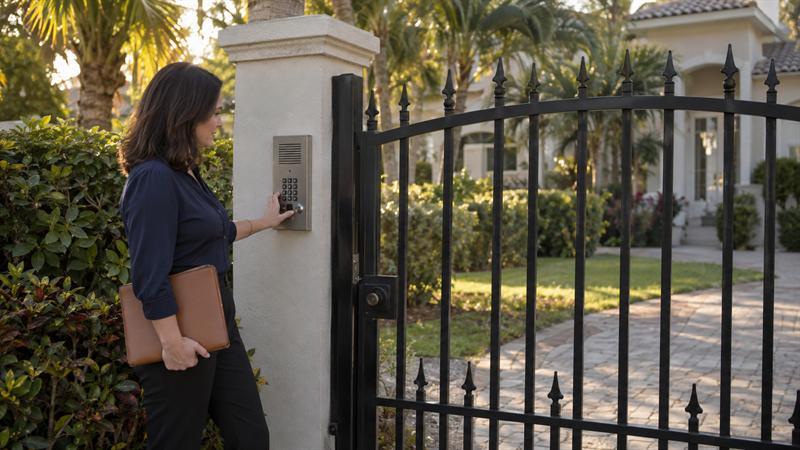
Confirm the exact address, parking details, gate or visitor instructions, contact person, signer names, and appointment time. Workplaces, hospitals, care communities, and gated neighborhoods may require additional access planning.
An otherwise simple appointment can become difficult because an attendee is missing, the address is incomplete, or a facility requires advance visitor clearance. A clear confirmation process helps ensure the signing is ready when the notary arrives.
What a Mobile Notary Can and Cannot Do
A mobile notary performs the same authorized notarial function as a notary at a bank or fixed office. The difference is that the appointment takes place at an agreed location.
A mobile notary can:
- Travel to an agreed location for an in-person notarial appointment.
- Verify identity and perform an authorized notarial act when requirements are met.
- Arrange an appointment around the location of the signers.
- Provide remote online notarization when it is appropriate and accepted by the receiving organization.
A mobile notary cannot:
- Give legal advice or explain the legal meaning of a document.
- Prepare legal documents or tell a signer how to complete them.
- Select legal wording or tell a signer which certificate to use.
- Override requirements set by a lender, court, agency, attorney, title company, or document recipient.
- Proceed when required signing conditions are not met.
If the document itself is unclear, contact the person or organization that prepared it rather than asking the notary to interpret it.
Mobile Notary Service Across Southwest Florida
Sunshine Mobile Notary, LLC provides mobile notary appointments across Southwest Florida, including Fort Myers, Cape Coral, North Fort Myers, Lehigh Acres, Bonita Springs, Estero, Naples, Marco Island, Port Charlotte, and Punta Gorda. Mobile service is intended for signings that need to happen at an agreed residence, workplace, care setting, title location, or other appropriate meeting place.
Remote online notarization is also an option when an online format fits the document recipient’s requirements. The right first step is to confirm the document instructions, signer ID, witness needs, and signing location. That preparation makes the appointment easier to plan and helps reduce preventable issues.
Key Takeaways: Choosing the Right Notary Option
- Use a mobile notary when location, timing, mobility, multiple signers, or witness coordination makes a fixed-location appointment difficult.
- Use a bank or walk-in notary when the signing is simple, flexible, and confirmed in advance.
- Use remote online notarization when distance is the barrier and the receiving organization accepts the format.
- Confirm document requirements, identification, witnesses, attendees, and location before any appointment is scheduled.
A common mistake is choosing the appointment type before confirming what the document and recipient require. Start with the requirements, then select the notary option that makes the signing workable.
Conclusion
The challenge is rarely just finding a notary. It is getting the appropriate people, documents, identification, witnesses, and location aligned before a deadline or fixed appointment. When those details are not addressed in advance, the signing may be delayed or the notary may be unable to proceed.
When travel, timing, mobility, or multi-signer coordination is creating the obstacle, Sunshine Mobile Notary, LLC can provide a practical mobile option. Confirm the document recipient’s instructions, gather acceptable ID, arrange required witnesses, and schedule the signing where the people need to be. This preparation addresses the issues that can derail a bank or walk-in appointment.
Frequently Asked Questions About Using a Mobile Notary
Is it better to use a mobile notary or a bank notary?
A bank notary is often enough when one prepared signer can travel during confirmed notary hours. A mobile notary is generally the better choice when travel, timing, multiple signers, witnesses, or a required location makes a bank visit difficult. For example, a single signer with a flexible schedule may use a bank, while several family members signing at one residence may need a coordinated mobile appointment. Confirm the recipient’s requirements before deciding.
Can a mobile notary come to a hospital, nursing home, or assisted living community?
A mobile notary may be able to meet a signer at an approved location when facility access procedures and appointment details are confirmed. The signer must still participate willingly, communicate directly with the notary, and have acceptable identification. For example, a care community may require visitor clearance before the appointment, which should be arranged before the notary arrives. Confirm access, ID, and document readiness first.
Do I need witnesses when using a mobile notary?
Witness requirements depend on the document and the receiving party’s instructions, not on whether the appointment is mobile. One estate-planning document may require witnesses while another does not. Confirm the number of witnesses, any eligibility requirements, and who will provide them before booking. Contact the attorney, title company, lender, document preparer, or receiving organization for the correct instructions.
Can a mobile notary notarize documents at my workplace or home?
Yes, a mobile notary can meet at an agreed location such as a home, workplace, title office, or other suitable setting. This is especially useful when leaving work or coordinating travel would interrupt the signing. For example, a business owner can arrange an office appointment when several people need to sign during the workday. Confirm access instructions, attendees, acceptable ID, and document readiness in advance.
Is remote online notarization the same as using a mobile notary?
No. A mobile notary meets the signer in person at a chosen location, while remote online notarization is completed through an authorized online process. Mobile service addresses a location problem, such as a signer at a care facility. Remote notarization addresses distance when signers are in separate locations. Verify that the receiving organization accepts remote online notarization before choosing that option.
What should I prepare before a mobile notary appointment?
Prepare complete documents, avoid pre-signing where signatures must be witnessed, gather acceptable ID for every signer, confirm witness requirements, and verify the recipient’s instructions. An appointment can be delayed when witnesses are arranged only after the notary arrives and the document requires them to be present for signing. Review the requirements first, then confirm the location and appointment time.