Quick Answer: An available appointment does not mean a mobile notary can complete your signing at your location, with the required signers, and for your document. Choose a Southwest Florida provider by verifying the notary’s commission, confirming appointment readiness, checking document handling and remote options, and getting a clear written estimate.
Introduction
Choosing a mobile notary starts with comparing what each provider confirms, not just how quickly they offer an appointment. Your address, identification, witness arrangements, and document-return instructions all affect whether the signing is ready to proceed.
Sunshine Mobile Notary, LLC offers mobile service in Southwest Florida and remote online notarization. Evaluate the options using the same standard: the delivery method must fit the signing requirements, not just the calendar.
Key Takeaways: A Mobile Notary Selection Checklist
Before committing to an appointment, check these seven points:
- Commission: Verify the attending notary’s active Florida commission.
- Location and timing: Confirm the exact address, access instructions, and appointment window.
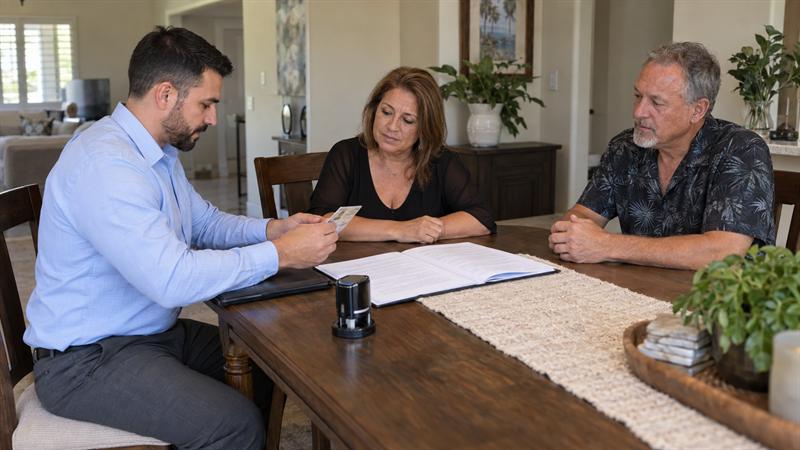
- Readiness: Resolve identification, signer attendance, and required witnesses.
- Document handling: Clarify printing, file transmission, scanned copies, and responsibility for originals.
- Remote suitability: Check recipient acceptance and signer requirements before choosing online delivery.
- Communication: Know who confirms details and handles changes.
- Estimate: Get the agreed services, charges, and relevant cancellation terms in writing.
These checks help confirm suitability. They do not guarantee that notarization can proceed or that the receiving organization will accept the document.
Check the Notary’s Commission and Relevant Experience
Verify official authorization separately from experience. An active commission establishes the notary’s status; practical questions help you assess how the provider will handle your appointment’s logistics.
Verify an Active Florida Notary Commission
Ask for the attending notary’s name and use Florida’s official notary resources to check commission information, including status and expiration. If a coordinator assigns the notary later, establish how you will receive that person’s details.
A training certificate or platform badge is not a substitute for a state commission. Look for information about the individual performing the notarization, not just the business arranging it.
Ask About Similar Appointment Logistics, Not Legal Advice
Ask about arrangements relevant to your signing. “How do you coordinate multiple signers?” and “What facility entry information do you need?” invite specific answers rather than general assurances of experience.
For appointments involving document return, ask who receives the originals afterward. Experience coordinating these tasks does not authorize a notary to provide legal advice or guarantee a document’s validity.
Confirm the Exact Location and Appointment Window
A listed service area is a starting point, not confirmation of a specific visit. Give each provider the actual address and timing requirements so you can compare their responses.
Go Beyond the City Name
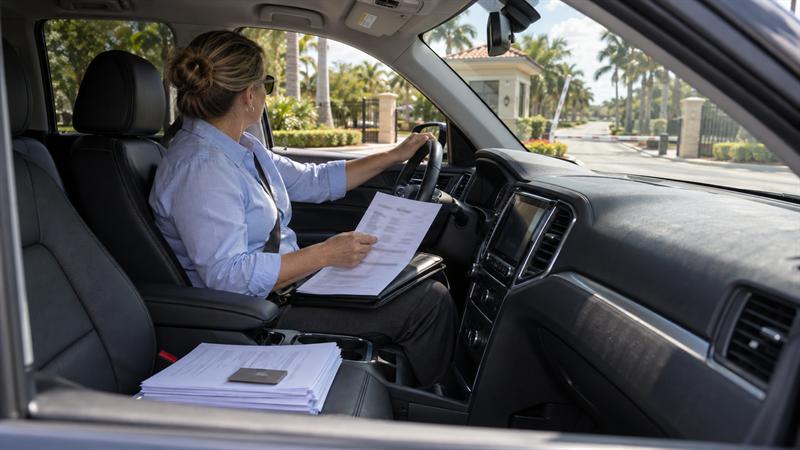
Confirm travel arrangements, parking, gate instructions, and any visitor restrictions. For example, a Cape Coral home inside a gated community requires entry details that the city name alone does not provide.
An accepted coverage area can still hide an access problem if entry instructions remain unresolved. Leaving those details until arrival can consume the time intended for the signing. Identify who will authorize entry or meet the notary before agreeing on the visit.
The guide to mobile notary services in Southwest Florida provides broader context for home, office, and facility appointments.
Clarify Timing and Who Will Attend
Get an appointment confirmation, not just acknowledgment of your request. It should establish:
- When: The agreed appointment time or arrival window.
- Where: The exact meeting point and access instructions.
- Who: The attending notary, or the process for identifying that person if assignment happens later.
- Changes: Who receives updates if access or signer availability changes.
Both individual providers and dispatch platforms can coordinate appointments. Compare whether each has a clear process for confirming attendance and passing instructions to the notary.
Ask How the Provider Checks Appointment Readiness
Choose a provider who clarifies requirements before travel. An open time slot does not resolve an identification problem, supply a required witness, or answer unclear document instructions.
Resolve Identification, Signer, and Witness Requirements
Give the provider enough information to assess the planned appointment:
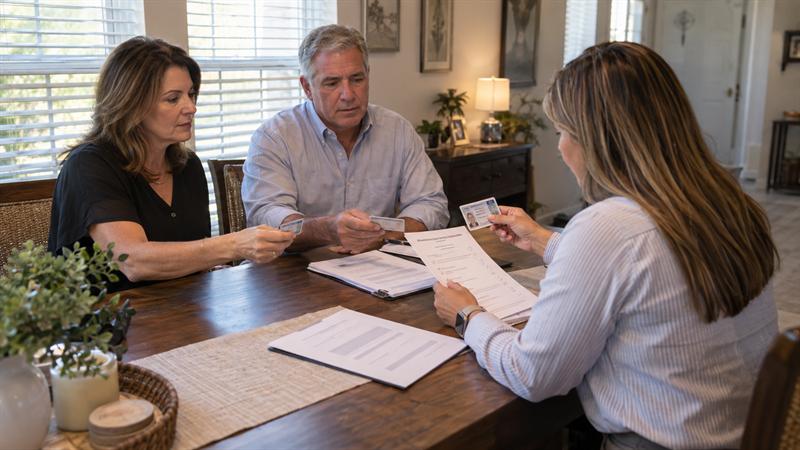
- The number of people signing and their availability.
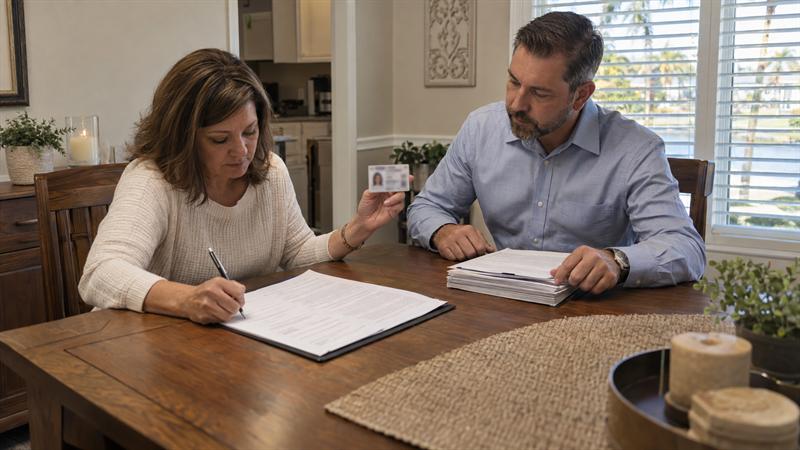
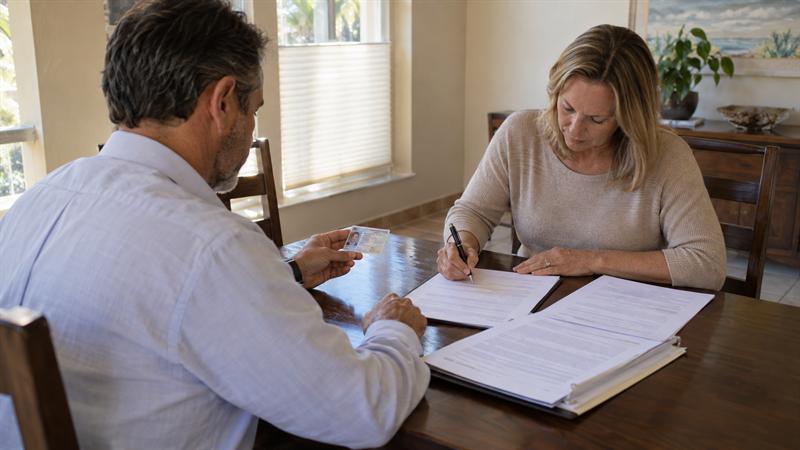
- The identification each signer expects to present.
- Any known witness requirements and who will arrange those witnesses.
- Any communication or access needs affecting participation.
A booking is not proof that every signing requirement has been arranged. If the notary is scheduled but required witnesses are not, the appointment still has a readiness gap. Discovering it at the signing leaves less time to correct it before a deadline.
Florida-specific requirements should be checked against official guidance, including Chapter 117 of the Florida Statutes. Signer awareness and willingness matter, but a notary’s review of signer presence is not a medical capacity assessment. The checklist on what to bring to a notary appointment covers preparation in more detail.
Identify Document Questions That Need the Issuer or an Attorney
A provider should distinguish procedural questions from legal advice. Noticing unclear instructions is different from deciding what a document should accomplish or which legal instrument you need.
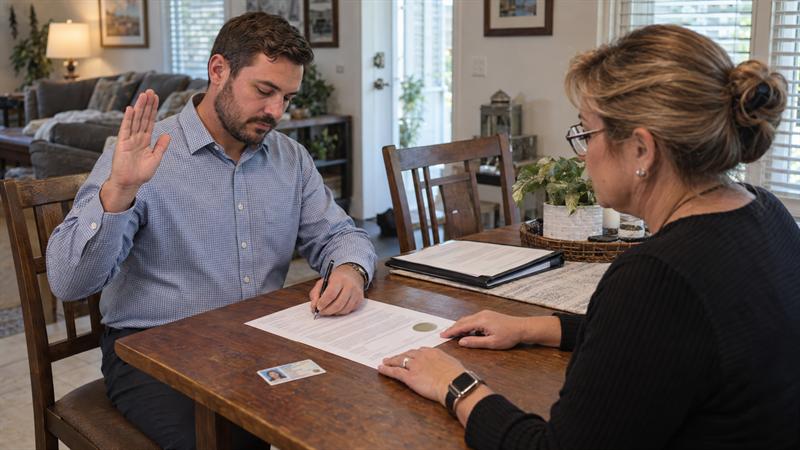
If the required notarial act is unclear, obtain direction from the document issuer, receiving organization, or an attorney as appropriate. Do not assume every document requires notarization or follows the same signing instructions. For example, an acknowledgment can involve a signature made earlier, while a jurat requires signing in the notary’s presence and an oath or affirmation.
Resolve readiness gaps before committing to the visit. Stop comparing appointment times alone when:
- A signer’s identification is expired or unavailable.
- Required witnesses have not been arranged.
- The document’s notarization instructions are unclear.
- The location requires entry approval that has not been obtained.
Send identification questions to the notary, document questions to the appropriate issuer or legal adviser, and access questions to the facility contact. These details need attention before the appointment can be treated as ready to proceed.
Understand How Documents Will Be Handled
Establish what happens to the document before and after notarization. Completing the notarial act and delivering the finished document are separate responsibilities.
Ask About Printing, Transmission, and Scanbacks
Determine whether printing or scanbacks, meaning scanned copies returned after signing, are needed and offered. Ask whether that work is included in the estimate, then clarify:
- What information is necessary to assess the appointment?
- How should sensitive files be transmitted?
- Who receives the files and completed scans?
- What copies are retained, and under what policy?
Concrete answers are more useful than a broad promise of security. Share basic logistics first and agree on a transmission method before sending sensitive document copies.
Clarify Responsibility for Originals and Follow-Up
Identify who keeps the originals and who handles any agreed mailing or delivery. Establish who answers questions about a missing scan or incomplete handoff.
A handoff gap develops when each party assumes someone else will send the finished document. Notarization does not automatically include mailing, filing, or recording. Assigning that responsibility helps prevent completed paperwork from sitting undelivered as its deadline approaches.
Check Whether Remote Online Notarization Fits
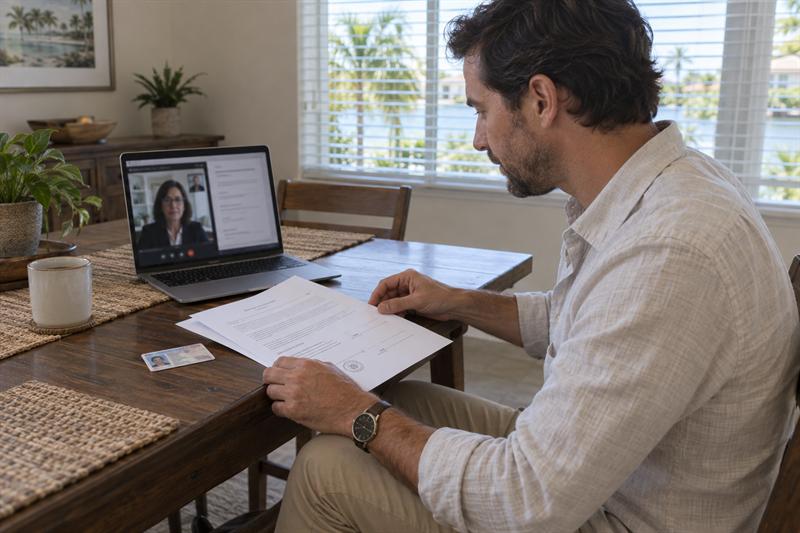
Choose remote online notarization when the document requirements, recipient instructions, and signer technology support it. In-person delivery is the practical alternative when physical attendance is required or remote requirements cannot be met.
Confirm Recipient Acceptance and Signer Requirements
Remote online notarization is not an ordinary video call. It uses an authorized process with identity verification and applicable platform and legal requirements.
Establish the receiving organization’s acceptance instructions, required document format, device requirements, and any witness arrangements. An available online session does not guarantee that the resulting document will meet the recipient’s requirements.
Ask What Happens if the Remote Session Cannot Proceed
Ask about support and rescheduling if technology or identity verification prevents completion. An unsuccessful identity check requires an assessment of permitted next steps, not a promise to bypass verification.
Sunshine Mobile Notary, LLC offers mobile service and remote online notarization. These provide delivery options to discuss, but switching methods does not remove identification requirements or guarantee an immediate in-person alternative.
Ask: “What happens if the session cannot proceed?” and “Is an in-person appointment available for this location and timeframe?” The answers clarify the available alternatives before you rely on one method.
Compare Communication and the Written Estimate
Compare the complete appointment scope, not just a starting price. Written terms should make clear what work is included and who handles changes.
Confirm Scope, Charges, and Cancellation Terms
Request an estimate that distinguishes notarial charges, travel, and any agreed additional services. It should also explain relevant cancellation or rescheduling terms.
- Is printing, scanning, or mailing included?
- What happens if the signer is unavailable?
- What terms apply if entry is denied or notarization cannot proceed?
- How are changes to the agreed services handled?
If two estimates cover different work, their totals are not directly comparable. Resolve those differences before using price to choose a provider.
Know Who Handles Changes and Remaining Questions
Identify a clear point of contact and the channel for updates. The confirmation process should explain how new instructions reach the attending notary.
“Someone will contact you” leaves responsibility unclear. A named contact or defined coordination process gives you a reliable place to send an updated room number, signer change, or document instruction.
Red Flags That Should Pause a Booking
Pause when a provider proposes bypassing requirements or leaves essential responsibilities unexplained. Watch for:
- Backdating: An offer to use a false notarization date.
- Skipped safeguards: A proposal to bypass required appearance or identity procedures.
- Unresolved participation concerns: Pressure to proceed despite questions about the signer’s awareness or willingness.
- Unsupported legal promises: Guarantees that notarization makes a document valid or ensures acceptance.
- Unclear commercial terms: Significant charges or document-handling responsibilities that remain unexplained.
Gaps in notarial requirements are different from unclear service terms, but neither should be ignored. A responsible request for clarification, or a refusal to proceed when requirements are unmet, is not itself poor service.
Questions to Send Before Choosing a Mobile Notary
Send each shortlisted provider the same basic inquiry so you can compare specific answers:
- Can you attend the address during the timeframe provided?
- Based on the signer count, what identification information do you need?
- Who will arrange any witnesses required for this document?
- Does in-person or remote delivery fit the stated requirements?
- Are the requested printing, scanbacks, or return arrangements available?
- What does the written estimate include, and what terms apply if notarization cannot proceed?
- Who confirms readiness and communicates changes?
Include the exact location, preferred timeframe, signer count, general document type, and any known requirements. Describe the document without sending sensitive copies until a transmission process is agreed.
Applying the checklist: When comparing Sunshine Mobile Notary, LLC, evaluate its combined mobile and remote offerings against the same points above. Start with location, signer readiness, and recipient requirements, then discuss which available delivery option fits those details.
Frequently Asked Questions About Choosing a Mobile Notary
How Can I Verify That a Florida Mobile Notary Is Legitimate?
Check the individual notary’s commission through Florida’s official notary resources, including status and expiration. A training badge, platform listing, or “certified” label is not a substitute. Commission verification shows official status; it does not, by itself, show relevant experience or suitability for your appointment.
Should I Choose the Cheapest Mobile Notary?
Not on price alone. Compare the services included, such as travel and agreed printing or document-return work, alongside appointment suitability. A lower starting price might cover less work, while a higher price does not prove better service. The useful comparison is the total agreed services and terms.
Can a Mobile Notary Provide Witnesses?
Some providers arrange witnesses, but that service should not be assumed to be included. Whether witnesses are required depends on the document and applicable requirements; who supplies them is a separate logistical question. Reserving a notary does not guarantee that the necessary witnesses will also attend.
What if My Identification Is Expired or Unavailable?
Whether notarization can proceed depends on the identification available and applicable Florida requirements. Describe the identification you have, including its expiration, so the notary can assess the specific issue before travel. An identification problem does not guarantee that an alternative is available, and urgency does not remove identification requirements.
Will the Receiving Organization Accept an Online Notarization?
Acceptance depends on the receiving organization’s requirements for that document and format. Legal permissibility and recipient acceptance are separate questions. Obtain the recipient’s instructions before choosing remote delivery; access to an online platform alone does not guarantee that the completed document will meet those instructions.
Can a Notary Decline After an Appointment Has Been Booked?
Yes. Booking reserves time but does not override unmet identification, awareness, willingness, or document-related requirements. A barrier might become clear only when the notary meets the signer or reviews the circumstances. Whether a charge applies to an appointment that cannot proceed is a separate matter governed by the agreed terms and applicable law.
Conclusion: Choose Confirmed Fit, Not Just an Available Slot
Contact Sunshine Mobile Notary, LLC with your location, timeframe, signer count, and known document requirements to discuss the appropriate delivery option. Finding an available notary is only part of the task. Unresolved identification, witnesses, access, or document-return instructions can delay completion even after an appointment is reserved.
Its mobile service and remote online notarization provide options to evaluate against those requirements. Gather the information to have ready when scheduling a mobile notary appointment and send the inquiry checklist while there is time to resolve outstanding details before the signing.