A document that carries a signature, an account number, or a medical detail is worth protecting, and the seal is only one part of that. What happens to the paper before the appointment, how it reaches the office that asked for it, and where the copy ends up all shape how much of that information stays private. Signers rarely ask about any of it. They hand over the original, watch the stamp land, and assume the rest is handled.
The questions worth asking are straightforward, and none of them require legal knowledge. They come down to identity, custody, transport, and storage, which are also the four points where paperwork goes wrong quietly rather than loudly. Getting answers before the appointment costs a few minutes and settles most of the worry a signer walks in with.
Quick Answer: Before sharing sensitive documents, confirm four things: how identity will be checked, who keeps the original afterward, how the document travels to its destination, and where any copy is stored. Those answers cover most of what a signer can control.
What Notary Document Security Covers Before the Appointment
Handling questions start well before a seal is applied. The version of the document matters first. Some offices want an original with wet ink, others accept a scanned or electronically notarized copy, and a few will reject anything that does not match their own written instructions. That requirement belongs to the receiving office rather than to the notary, and it is worth getting in writing. A signer who arrives with the wrong version tends to learn it days later, after the appointment and after the fee.
Custody is the second question. Once the certificate is complete, the paper has an owner: the signer, the notary, or the office waiting for it. Knowing which one, and how quickly the original comes back, decides whether a second copy or a second appointment will be needed. A document holding an account number or a health detail deserves that same care at every hand-off, not only at the signing table.
What to Confirm Before a Sensitive Original Leaves Your Hands
Six details decide whether a sensitive original can be handled in one visit. They are worth checking the day before, while there is still time to fix what is missing.
- The document is complete, with every page present and the notarial signature line still blank.
- The identification is current, undamaged, and matches the name printed on the document.
- Every required signer will be in the room, or on the video session, at the same time.
- Any witness the document requires has been asked in advance and knows when to arrive.
- The receiving office has stated which version it needs and whether it accepts an electronic copy.
- Someone has confirmed who takes the original when the appointment ends.
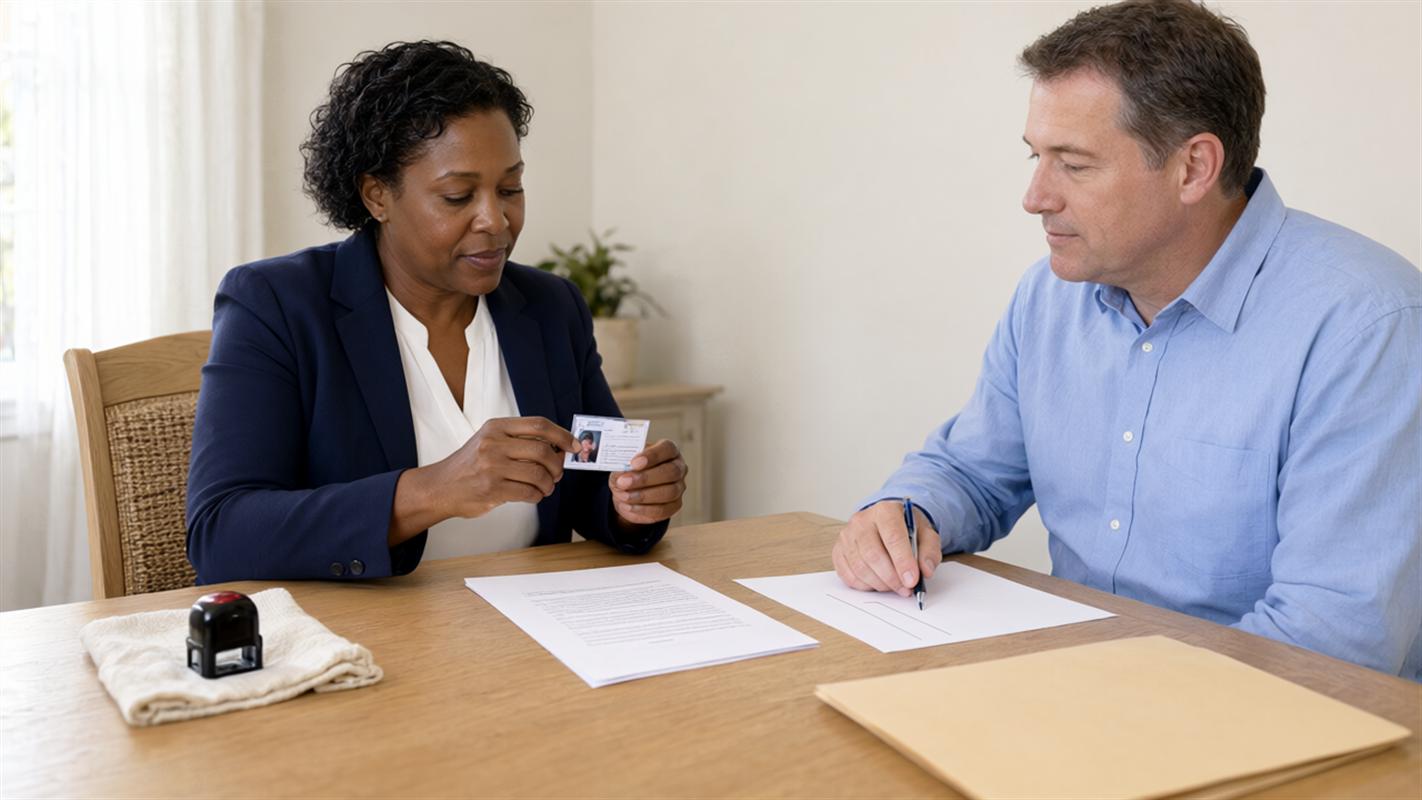
Florida’s identification rules let the notary work from personal knowledge of the signer, or from satisfactory evidence, which the statute defines through specific forms of identification. When neither is available, a two-witness alternative exists. Which path applies is settled at the appointment, and a signer who asks in advance avoids arriving with an identification that will not be accepted.
How the Document Travels: In-Person, Courier, and Remote Sessions
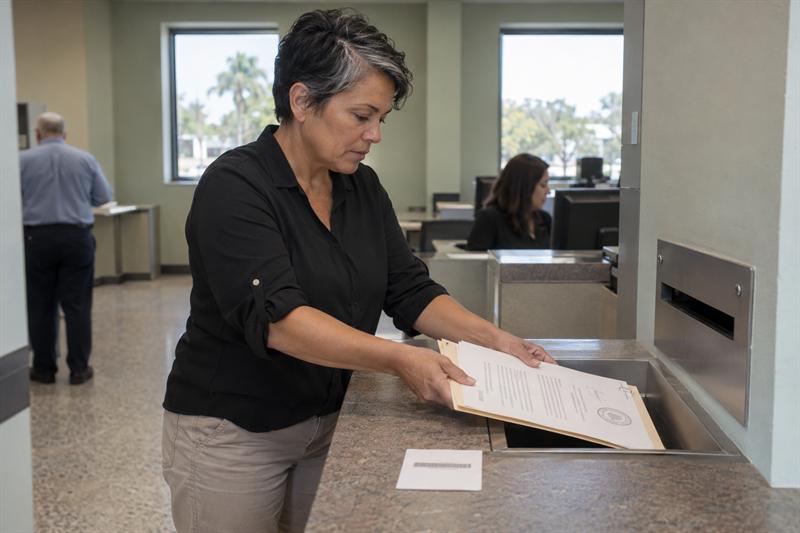
A signed document is at its most exposed while it is moving. If the notary carries the original to a title office or a county clerk, the signer should know the route, the expected hand-off time, and whether a receipt or tracking number comes back. If a courier is used, the same three questions apply. Remote sessions move the paper differently: the file is uploaded, the session is recorded, and the signed version returns electronically, so the questions shift to how that recording is stored and who can retrieve it.
The return path deserves the same attention as the outbound one. A signer who expects the original back should confirm that it comes back, and roughly when. When the destination is an office, the address and the accepted format are worth confirming during the appointment rather than after it. The verification steps behind a remote session are worth understanding before a first appointment, and they are explained in this guide to how remote online notarization is verified.
What Stays on the Page After the Seal Is Applied
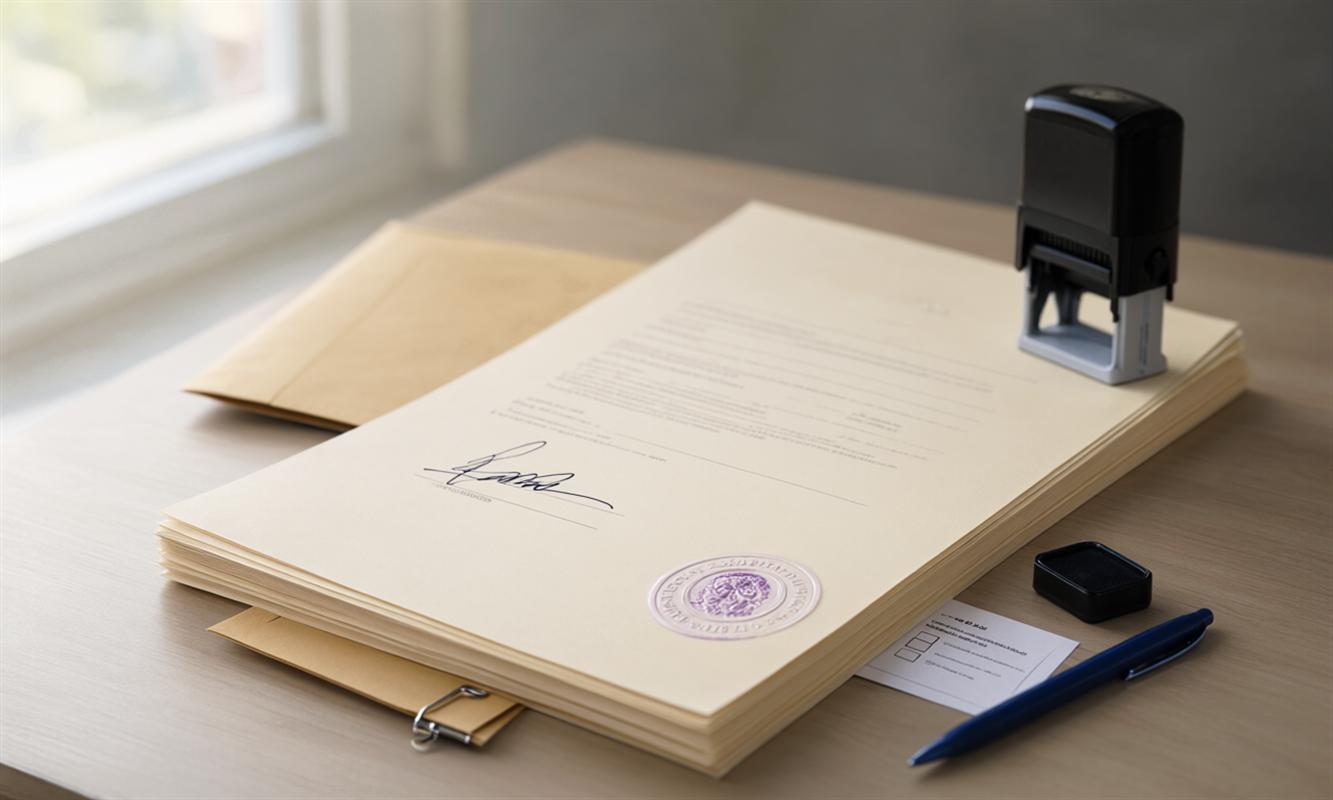
The seal is the visible part. The certificate around it carries the details a receiving office actually checks: the venue, the type of notarial act, whether the signer appeared in person or by audio-video online notarization, the date, the signer’s name, the type of identification relied on, the notary’s signature and printed name, and the seal itself. Read together, those fields describe who appeared, how, when, and on what evidence.
That record is also where most rejections begin, which is why it is worth a glance before the signer leaves. A missing identification type, or an act recorded as an acknowledgment when the document asked for a jurat, can send a packet back. Questions about what the certificate means belong with the notary. Questions about what the document itself does belong with whoever prepared it, and the split is set out in this explanation of what a notary can and cannot do during an appointment.
Storage, Copies, and Who Keeps What
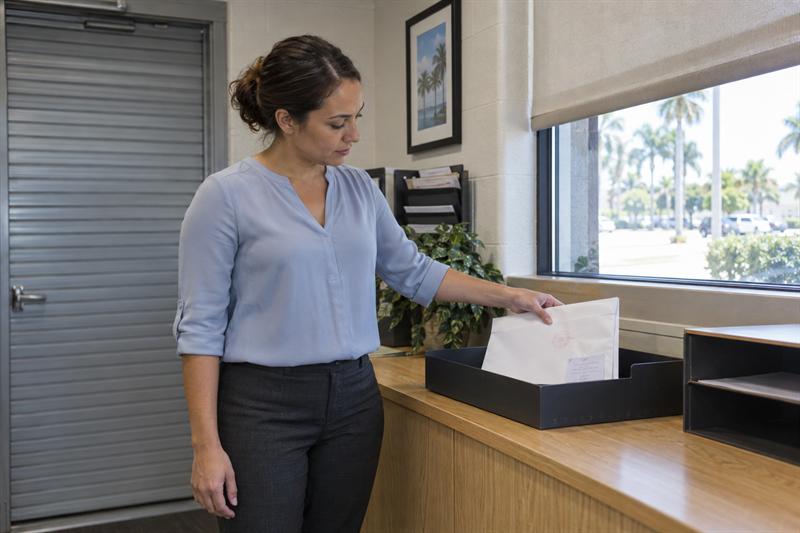
After the appointment, the document exists in at least two places: the original and whatever copy the signer keeps. Where the original lives depends on the destination. A title company, a court, or a county clerk usually keeps what it receives. A notary may keep a record of the act, and the signer can ask what that record includes. Knowing which of those applies before leaving matters more than it sounds, because it decides who to call when a lender asks for the document again.
Storage is a practical question rather than a technical one. A scan on a phone is convenient and easy to forward by mistake. A folder in a filing cabinet is harder to lose and harder to share when someone needs it the same day. Neither approach is wrong. What matters is that the signer knows who else can reach the copy, and that the answer is not anyone holding a link. The steps that follow a signing, from recording to delivery, are laid out in this walkthrough of the post-signing document workflow that follows an appointment.
Questions Worth Asking Any Notary Before Sharing Sensitive Documents
A short conversation before the appointment settles most of it, and notary document security is easier to reason about once the money is clear. In Florida, the fee for a single notarial act may not exceed $10 under Florida Statute 117.05, so a quoted total is worth reading line by line. Next comes custody: who keeps the original, and when the signer’s own copy arrives. For a remote session, ask how the recording is stored, how long it is held, and who can retrieve it.
Two more questions are easy to forget. What happens if the receiving office sends the document back, and what a new appointment can repair once it does. And what the signer should bring beyond the document itself, since an expired identification or an absent witness can stop a signing before any paperwork question matters. Neither question is awkward to ask, and both are cheaper before the appointment than after it.
Where Mobile and Remote Appointments Fit
Not every signing happens at a desk. Sunshine Mobile Notary, LLC travels to a home, an office, a hospital, an assisted living facility, or a title office, and offers remote online notarization on two platforms when the document and the receiving office allow it. Valerie Nation owns the business, which is based at 13300 S. Cleveland Avenue, Fort Myers, FL 33907. Mobile visits cover Fort Myers, Cape Coral, Estero, Bonita Springs, and Naples, along with North Fort Myers, Lehigh Acres, Marco Island, Port Charlotte, and Punta Gorda.
Valerie Nation has spent more than 27 years working with small and large companies across agriculture, real estate, and private and government agencies, which is the background behind the preparation-first approach described above. Both appointment types are described on the site: mobile notary service in Fort Myers and remote online notary appointments. Which one fits depends on the document and on the office receiving it, not on which looks quicker.
Key Takeaways
The part a signer controls is small and specific:
- Confirm how identity will be checked before the appointment, not during it.
- Establish custody of the original before the appointment ends.
- Confirm the version the receiving office needs, in writing when possible.
- Ask whether a remote session is recorded, and where that file lives.
- Keep a complete copy, certificate page included.
Conclusion: Confirm First, Share Second
None of this requires legal knowledge, and none of it slows a signing down. It is a short set of confirmations made at the right moment: before the original leaves the signer’s hands, and again before the signed version leaves the notary’s. Sunshine Mobile Notary, LLC handles both, by phone at 239-691-0885 or by email at [email protected], and questions about how a particular document will be handled are welcome before anything is booked.
Every document arrives with its own instructions, and the receiving office has the final say on what it will accept. What a signer can control is the handling on their side of the table: the identification, the version, the custody, and the copy. Those are worth five minutes of questions, and they are the part of document handling that stays in the signer’s hands.