Why Facility Notary Visits Require More Planning Than a Home Appointment
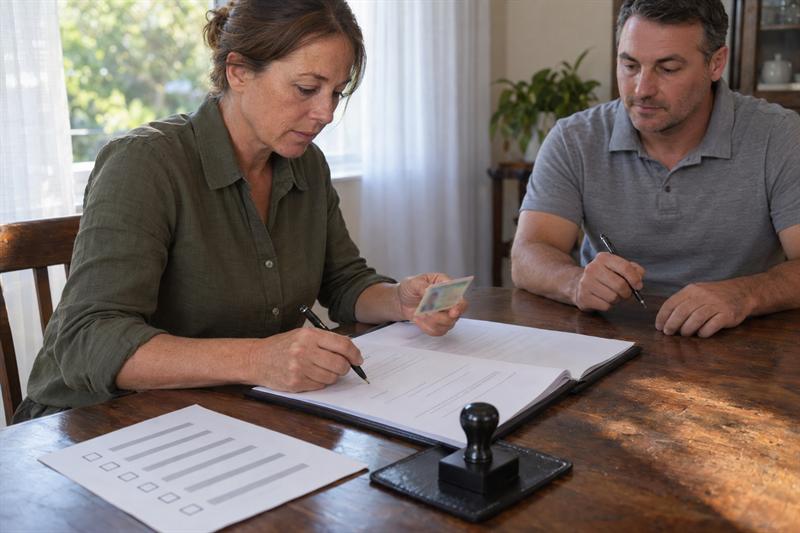
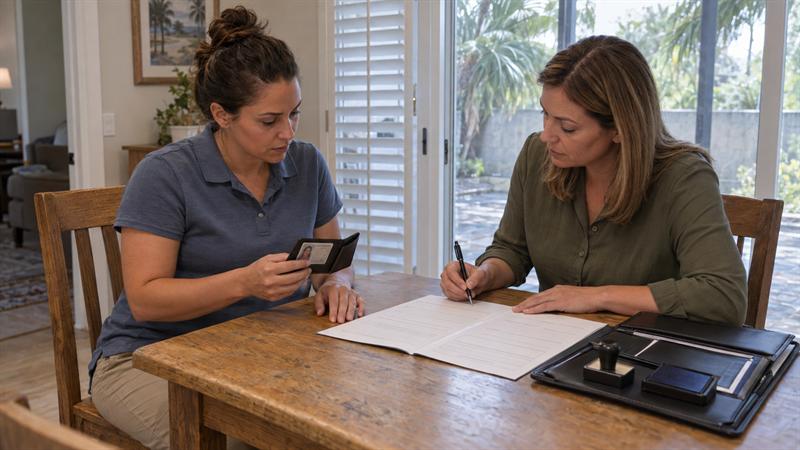
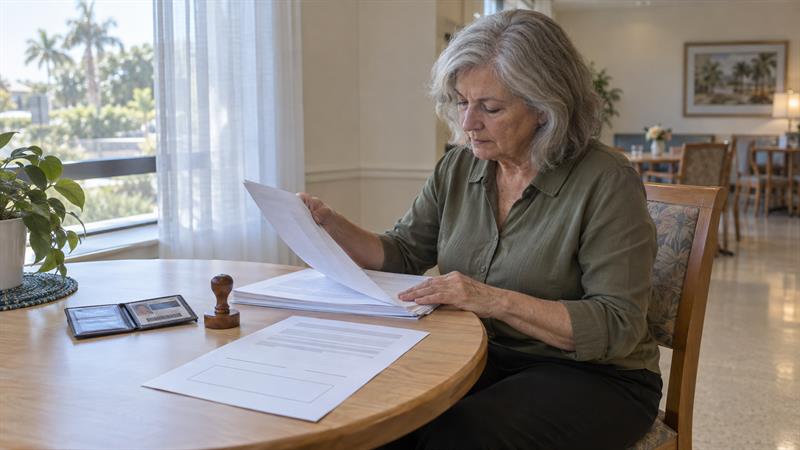
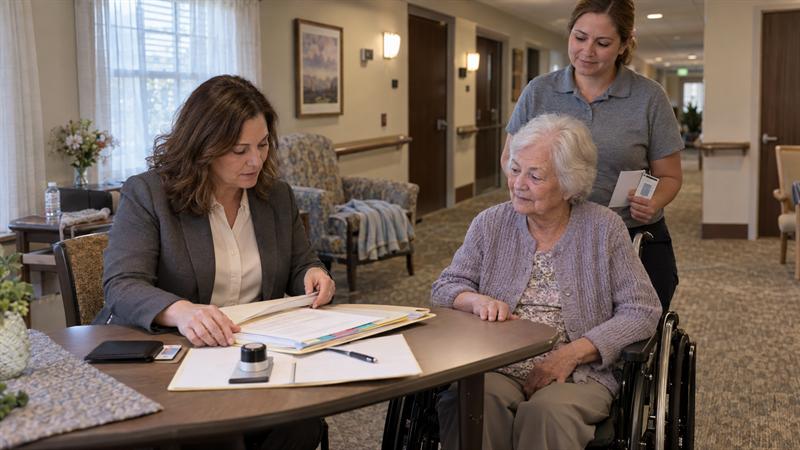
A facility signing is different from a home signing because more variables have to line up at once. The notary has to reach the correct location, get through the facility’s check-in process, access the signer, and meet during a time when the signer is available to review and sign documents.
This is where delays often begin. Families may assume that if a resident lives there and the notary can travel there, the appointment should be simple. In practice, the visit may slow down because the facility has its own procedures, the signer has a structured routine, and other people may also need to be present.
For a broader overview of location-related logistics, the guide on mobile notary access planning explains how access issues affect different appointment settings.
Assisted Living vs Skilled Nursing vs Rehab: What Changes
Assisted living, skilled nursing, and rehab settings do not operate the same way. Assisted living often involves front desk coordination, visitor check-in, and scheduling around the resident’s normal routine. Skilled nursing may involve tighter unit access, more structured care schedules, and less flexibility once a time window is missed.
Rehab settings can create a different issue. The signer may be staying there temporarily, moving between therapy sessions, and working within a shorter stay window. Families sometimes treat all three settings the same, and that can lead to timing mistakes that delay the visit.
Policies vary by facility, but the practical point is clear: the more structured the care setting, the narrower the workable appointment window tends to be.
Common Reasons Facility Signings Get Delayed
- The signer is at a meal, therapy, a rest period, or another care activity when the notary arrives.
- Front desk clearance and resident access were not fully coordinated.
- Witnesses were expected to be available on site, but no one had actually arranged them.
- ID is not available, or the document packet is incomplete.
- Family members and facility staff are working from different timing assumptions.
This is something Sunshine Mobile Notary, LLC encounters regularly in facility appointments. The issue is often not one major problem. It is several small planning gaps stacking together until the appointment stops moving.
What to Confirm Before Booking a Mobile Notary to a Care Facility
The most useful question is not “Can a notary come here?” The better question is “What needs to be lined up before the notary arrives?”
That shift matters because a facility appointment can look confirmed on paper and still break down in real time. When access, timing, or witness details are unclear, the visit may turn into waiting, rescheduling, or trying to solve document problems on site.
Who Should Authorize or Coordinate the Visit
The correct contact depends on the facility. In some places, the front desk handles visitor approval. In others, the nursing station, care coordinator, social worker, or another staff contact may know the resident’s actual schedule and where the signing can happen.
A common issue is that families get a general yes from one person but never confirm who controls access to the resident or who knows the best signing window. This can result in the notary arriving on time but still waiting for clearance, staff coordination, or the signer to be brought to the right location.
The practical question is not just who answers the phone. It is who can confirm both building access and signer availability.
Visitor Check-In, Access Rules, and Unit Restrictions
Facility check-in is not a minor detail. It is often the first bottleneck. Some locations require sign-in at the front desk, identification, escort procedures, guest badges, or approval for entry into certain units.
This is where families can get surprised. Entry into the building does not automatically mean immediate access to the signer. In facility settings, there may be a second layer of access between the lobby and the resident’s room or care area, and that extra step often determines whether the appointment starts on time or stalls.
Shared-room settings can also affect where the signing happens. If privacy or space is limited, the appointment may need to move to a family room, common area, or another approved location.
Where the Signing Will Take Place
The signing location matters more than many people expect. A resident room may work in some cases, but it is not always the easiest space if family members, witnesses, or staff also need to be involved.
A quieter, more practical location often leads to a smoother appointment. If the signing involves multiple documents or several people arriving at different times, space and setup become part of the planning process, not an afterthought.
Timing Matters: How to Choose a Better Appointment Window
The best appointment time is usually the time when the signer is most available to participate, not the time that is simply most convenient for everyone else. That is one of the biggest scheduling differences between home appointments and facility appointments.
This is often true in Southwest Florida care facility signings. Families may push for the fastest available opening, but a better result often comes from choosing a narrower, more realistic window that fits the signer’s daily routine. When the time is wrong, the whole appointment may slow down.
Avoiding Meal, Therapy, Medication, and Rest Conflicts
Meals, therapy sessions, routine care, and rest periods shape the appointment window. If the signing is booked too close to those routines, delays may follow because the signer is not in the room, is being assisted, or is between scheduled activities.
This can get worse when the appointment is treated like an open-ended visit. “Anytime this afternoon” sounds flexible, but in practice it can create confusion. A narrower time window tied to the resident’s actual routine is generally more reliable because it reflects when the signer is realistically available.
Why “Available” Does Not Always Mean Ready to Sign
A signer being present in the building is not the same thing as being ready for a notarization. This distinction matters in facility settings because the appointment requires more than physical presence. The signer needs time, focus, the right documents, and the right people in place if witnesses are needed.
This is where problems can start to compound. If everyone else is assembled but the signer is still transitioning from another activity, reviewing the document may feel rushed, and the appointment may lose momentum. A better plan is to schedule around the signer’s best window, not just the facility’s visitor window.
If you are seeing any of the signs below, the appointment likely needs more coordination before it is booked:
- The facility says the visit is allowed, but no one has confirmed where the signing will happen.
- A family member has the documents, but no one knows whether witnesses are required.
- The signer is technically available that day, but no one can identify a clear signing window.
- Different relatives are handling the document, ID, and scheduling separately.
When those details are still unsettled, the visit usually needs more coordination first.
Signer Availability and Document Readiness
Once access and timing are clear, the next issue is readiness. The appointment usually moves more smoothly when the signer has the document packet ready, acceptable identification is available if needed, and no one has signed too early where notarization requires the signature to be witnessed.
This is another place where small mistakes can lead to bigger delays. Families are often focused on getting the notary to the facility, but the visit may succeed or fail based on what is ready when the notary arrives.
ID, Document Completeness, and Signature Timing
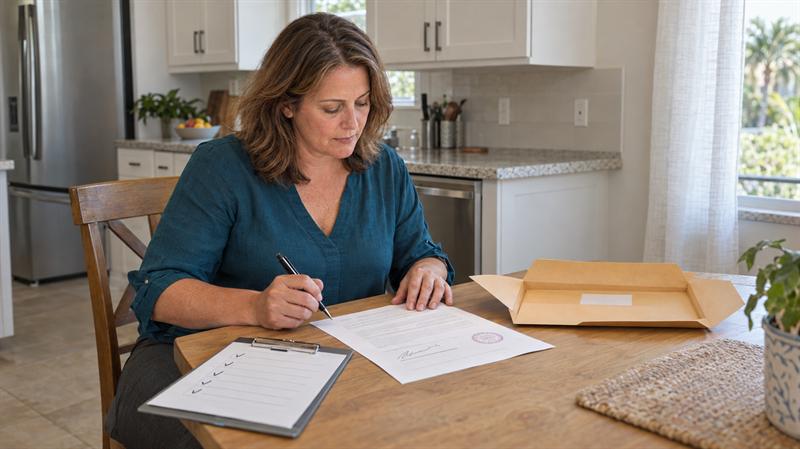
Documents should be ready for review before the appointment starts. Missing pages, blank sections, or instructions that were never clarified can stop the process because the notary cannot fill in legal or drafting gaps during the visit.
Signature timing matters too. If the notarization requires the signature to be witnessed, signing in advance can create a problem that has to be corrected before the appointment can continue. For ID preparation, the article on acceptable forms of ID for notary in Florida can help families understand what to have ready.
Witnesses for Florida Documents in Facility Settings
Some Florida documents require witnesses in addition to notarization. The location does not remove that requirement, but it can make witness coordination harder. Families often assume that someone at the facility will be available if needed, and that is where planning breaks down.
This commonly causes last-minute delays with estate and power of attorney documents. If witnesses are required, that needs to be addressed before the visit, not after everyone is already in the room. The detailed guide on Florida notary witness requirements explains when witnesses are needed and how to plan for them.
Planning for Family Members, POA Documents, and Multi-Person Coordination
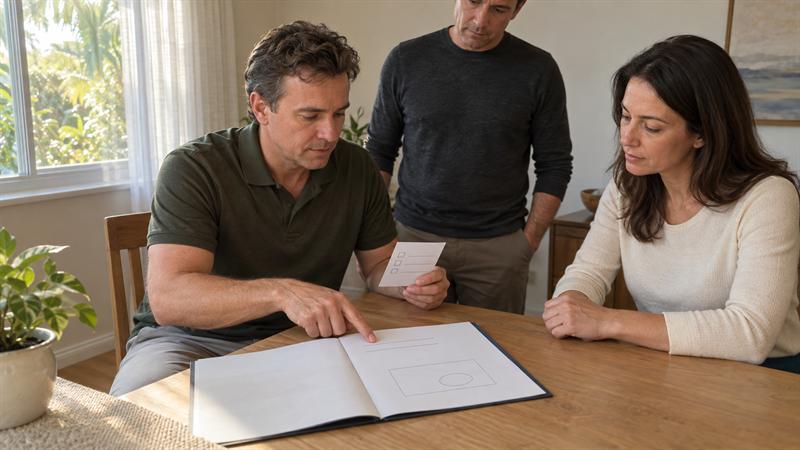
Facility signings tied to power of attorney or estate documents usually involve more people and more moving parts than a basic notarization. One relative may have the document packet, another may be arriving from out of town, and someone else may expect to participate as a witness.
That setup can create avoidable delays unless one person is clearly coordinating the sequence. Sunshine Mobile Notary, LLC commonly handles care facility signings where the document is urgent, but the family’s planning is still split across several people.
When Family Members Are Joining Remotely or Arriving Separately
When relatives are joining from different locations, timing becomes more fragile. One common pattern is that the signer is ready, but the key document, ID, or expected witness is not in the room yet. That disconnect can cause the appointment to stall even though everyone thought the hard part was already handled.
If the document is a power of attorney or another estate-related form, the article on power of attorney notarization logistics is a useful companion because it breaks down the document-side coordination that often affects facility visits.
Coordinating More Than One Signer or Resident
Back-to-back signings or multiple residents being scheduled at one facility require more structure, not less. The room location, order of signers, document sets, witness needs, and facility access steps all need to be clear in advance.
Problems can develop when people assume the second signing will naturally follow the first. In practice, each signer may have a different schedule, location, and level of readiness. The more people involved, the more important it is to treat the visit like a coordinated sequence rather than one long open appointment.
When a Home Visit, Facility Visit, or Online Option May Be the Better Fit
The most practical option depends on where the signer can complete the appointment with the fewest barriers. A home visit is usually simpler because access is easier and the family controls the setting. A facility visit is often the better choice when the signer lives in assisted living, skilled nursing, or rehab and cannot reasonably travel.
Online notarization has a place too, but it is not a universal solution. The best choice is the one that fits the signer’s actual situation, document type, and level of preparation.
Comparing Home vs Facility Logistics
Home appointments usually offer more flexibility. The signer, family, witnesses, and documents can be brought together in one place without front desk procedures, unit restrictions, or facility timing windows.
Facility appointments are still the right fit when the signer cannot travel or the document needs to be handled where the resident is staying. The tradeoff is that facility visits require tighter coordination, and ignoring that can lead to delays that a home appointment would not have.
When Remote Online Notarization May or May Not Be Practical
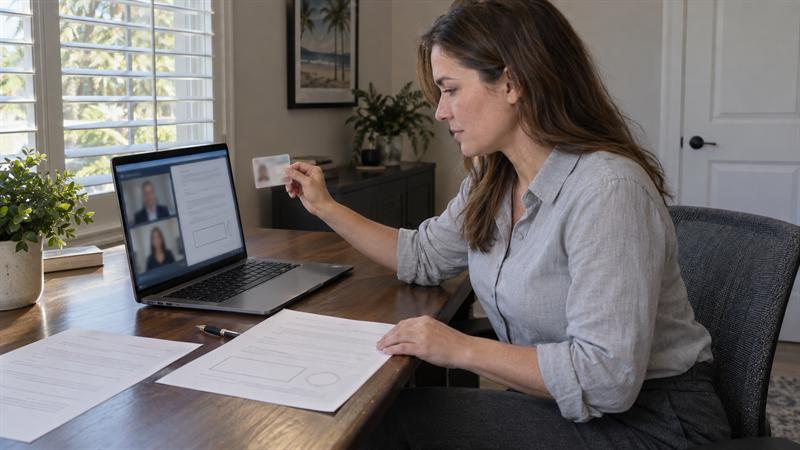
Remote online notarization works best when the document is eligible, the signer can complete the technology steps, and the receiving party will accept the notarization. If any of those pieces are unclear, the online option can create a different kind of delay instead of solving the original one.
This is where readers sometimes confuse electronic signing with notarization. The difference matters because a document being signed online does not automatically mean it has been properly notarized. The article on e-signature vs. remote online notarization in Florida explains that distinction clearly.
Simple Facility Notary Checklist Before the Appointment
- Confirm who at the facility is coordinating access and signer timing.
- Confirm the best appointment window based on the signer’s routine.
- Confirm where the signing will take place.
- Make sure the document packet is complete and ready for review.
- Have acceptable identification available if needed.
- Determine whether witnesses are required and who will serve in that role.
- Make sure family members handling the document, ID, or scheduling are working from the same plan.
If scheduling details are still being pulled together, the guide on how to schedule a mobile notary appointment outlines the information that should be ready before the appointment is set.
Key Takeaways
- Facility notarizations often run into problems because access, timing, and readiness were not aligned before the visit.
- Assisted living, skilled nursing, and rehab settings each create different planning issues.
- The best appointment time is the signer’s best window, not simply the first open slot.
- Witnesses, ID, and document completeness should be resolved before the notary arrives.
- Family coordination is often a hidden source of delay in POA and estate-related facility signings.
Conclusion
The real problem with assisted living and skilled nursing facility notarizations is not finding a mobile notary. The bigger challenge is that these appointments tend to break down when access, signer timing, witness planning, and document readiness are treated like details that can be solved on arrival.
If that planning is not handled well, the result can be a delayed visit, a stalled document, or a second trip that could have been avoided. That is why Sunshine Mobile Notary, LLC can be a practical next step for families, caregivers, and signers who need a facility appointment handled with clear planning and a realistic understanding of what usually goes wrong.
When the signing involves a care facility, acting promptly can help because one of the narrowest parts of the process is often the signer’s workable window, not the travel time. Sunshine Mobile Notary, LLC helps Southwest Florida clients coordinate these moving parts so the appointment has a better chance of moving forward smoothly.
Company Approach
Sunshine Mobile Notary, LLC approaches facility signings as coordination-driven appointments, not simple location visits. That means looking at access, signer timing, witness needs, and document readiness together instead of assuming the appointment will sort itself out on site.
This approach matters because care facility signings usually do not fall apart for one dramatic reason. More often, several small issues were left unresolved. Addressing those issues early can lead to a smoother process and fewer preventable delays.
FAQ
Can a mobile notary come to an assisted living facility in Florida?
Yes, a mobile notary can generally come to an assisted living facility in Florida, but the harder part is usually the facility logistics. The key issue is whether the visit can move through check-in, reach the signer, and happen during a workable time window.
A common misunderstanding is thinking that permission to visit the building automatically means the signing is ready to happen. In practice, access to the resident and access to the building are often two separate steps, and that difference usually determines whether the appointment starts smoothly.
What should be arranged before a notary visits a skilled nursing facility?
The main items are access approval, the signer’s best time window, document readiness, ID availability, and witness coordination if the document requires witnesses. Those are the pieces that determine whether the appointment can actually move forward once the notary arrives.
What commonly gets misunderstood is that skilled nursing visits are more dependent on timing than generic mobile appointments. If the signer is in therapy, resting, or unavailable when the visit begins, the appointment usually slows down immediately even when the documents are otherwise ready.
Who do I contact at the facility to help coordinate a notary appointment?
The right contact is the person who can confirm both access and timing for that resident or unit. Depending on the facility, that may be front desk staff, a nursing station, a care coordinator, or another staff contact tied to the resident’s daily schedule.
The distinction matters because the person who approves visitors is not always the person who knows when the signer will actually be available. This is why families sometimes think the appointment is fully arranged, only to find that the final access step was never coordinated.
Do Florida notary appointments at nursing homes require witnesses?
Sometimes they do, and sometimes they do not. The need for witnesses depends on the document, not the fact that the signer is in a nursing home.
The part that creates problems is logistics. Families may assume witnesses will be easy to find once everyone is on site, but that usually becomes a last-minute obstacle. The important point is that the setting does not change the requirement, but it often makes witness coordination more difficult.
What is the best time of day for a facility notary visit?
The best time is the period when the signer is most likely to be ready to review and sign the document without interruption. That is usually more important than choosing the earliest available slot.
For example, an appointment that looks convenient for the family may still conflict with meals, care routines, or therapy. The factor that matters most is not general availability. It is whether the signer’s schedule supports a focused appointment window.
Is a home appointment or facility appointment better for notarizing POA or estate documents?
A home appointment is usually simpler because access is easier and the family controls the environment. A facility appointment is usually the better fit when the signer cannot travel or currently resides in assisted living, skilled nursing, or rehab.
The main distinction is coordination load. POA and estate documents often involve witnesses, relatives, or multiple document handlers, so the better setting is the one that reduces those friction points. What changes the decision is not convenience alone. It is which setting gives the signer the clearest path to a workable signing.