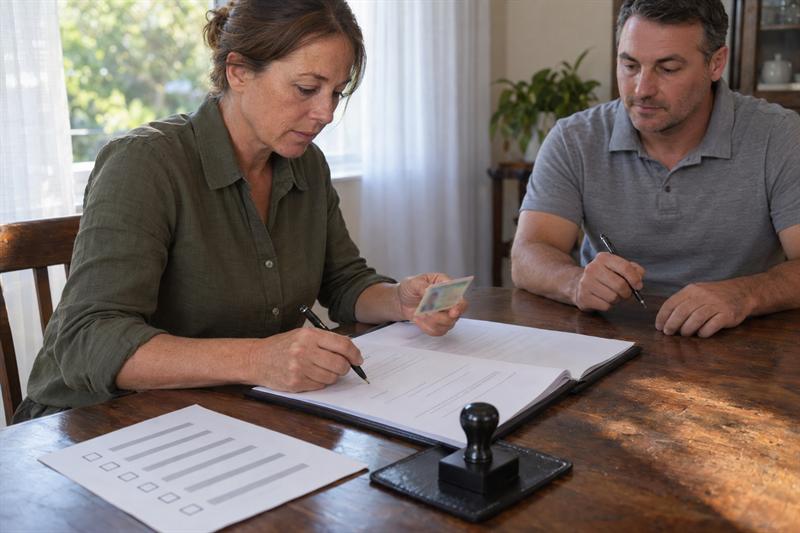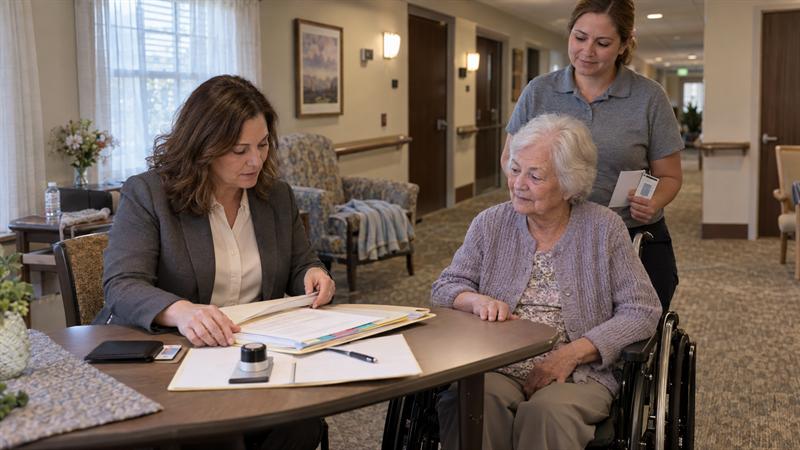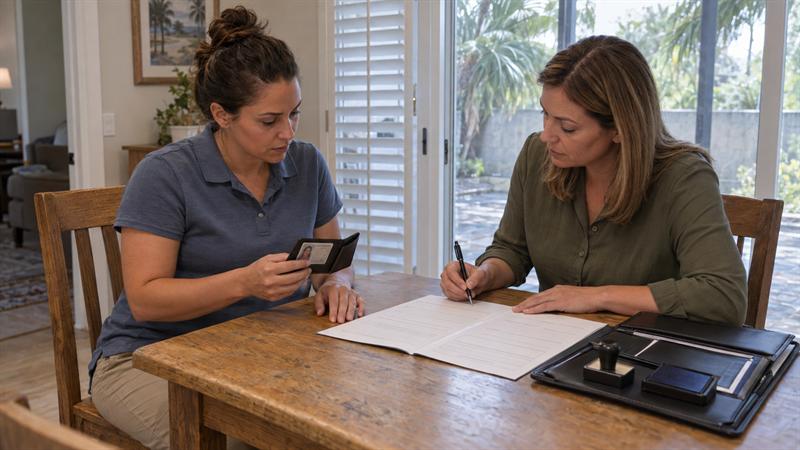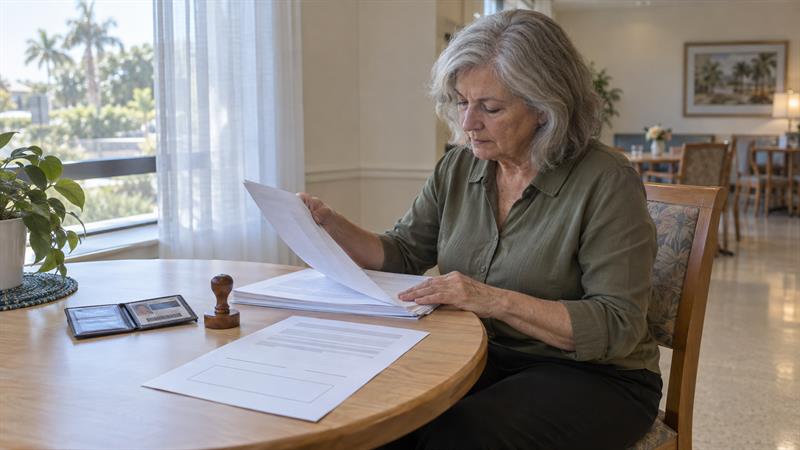
A notary appointment involves more than bringing a document and an ID. The appointment needs to align with the document, the signer’s circumstances, and the requirements of the organization receiving the completed paperwork.
Problems can begin with one missed detail. A signer may arrive with expired identification, a document may be missing a page, a witness may not be available, or the recipient may require an original ink-signed document rather than a remotely notarized one. These issues can lead to a repeat appointment, a delayed submission, or added pressure near a deadline.
Why Notary Appointments Get Delayed or Cannot Move Forward
Many notary appointments are delayed because one requirement was treated as an afterthought. When the signer, documents, identification, and instructions are ready, the notarial process is generally more straightforward.
- The signer cannot provide suitable identification.
- The document is incomplete, missing pages, or has unclear instructions.
- A signature was completed too early, or a required signer is unavailable.
- Required witnesses were not arranged.
- The receiving organization has instructions that were not confirmed.
- The appointment format does not fit the document or recipient’s requirements.
Delays can develop when the focus is only on finding a notary rather than preparing the full signing situation. That can mean another appointment, more travel, and more time coordinating everyone involved.
1. Bringing ID That Does Not Meet the Requirements
Check Your ID Before the Appointment Is Confirmed
Identification is one of the first details that needs to be ready. A notarization may not proceed if the signer’s identity cannot be properly verified, even when the rest of the appointment is in order.
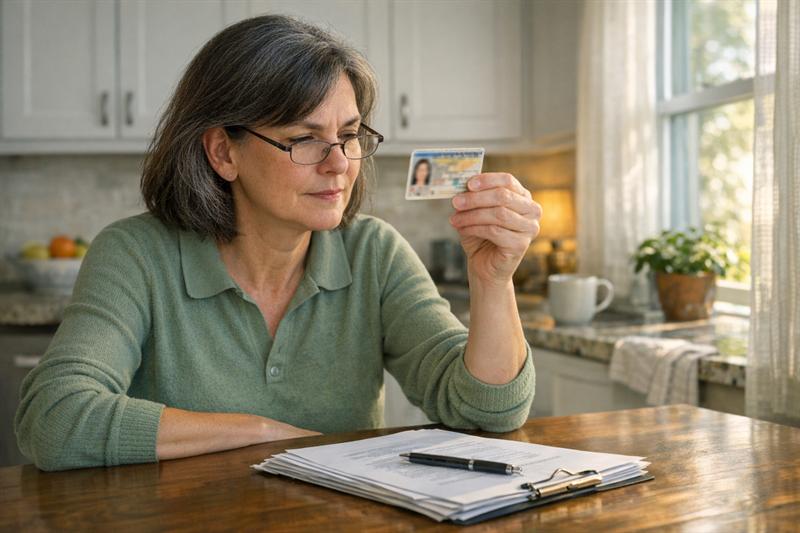
Before the appointment, make sure each signer has acceptable government-issued photo identification for the notarization. Check the expiration date, the condition of the ID, and whether the name reasonably matches the name on the document.
- Bring the physical ID, not only a photo or copy.
- Check that the ID is readable and acceptable for the appointment.
- Review name differences before the appointment, especially after a marriage, divorce, or other name change.
- Make sure every signer has their own identification.
One common issue is that one signer is prepared while another arrives without suitable identification. If both signatures are needed, the appointment can be delayed. For a closer review of common identification issues, read acceptable forms of ID for a notary in Florida.
2. Signing the Document Before the Notary Is Present
Know When to Wait Before Signing
Do not assume every signature should be completed before the notary arrives. The proper timing depends on the notarial act and the instructions that came with the document.
Some documents involve signing in the notary’s presence. Others involve acknowledging that a signature was made willingly. These are different situations, and treating them the same way can create confusion or delay.
If the document has already been signed, mention that before the appointment begins. This gives the notary an opportunity to review the requested notarial act and explain whether the signer can complete the required notarial step. Signing every page in advance without reviewing the instructions can create problems, particularly with loan packages, affidavits, and documents provided by a title company or agency.
The most practical approach is to follow the instructions provided with the document. If a lender, title company, court, employer, attorney, or government agency provided signing directions, those directions should guide the preparation process.
3. Arriving With Blank Spaces, Missing Pages, or an Unclear Notarial Certificate
Review the Document for Completeness Before the Appointment
Bring the complete document package. A missing attachment, unsigned exhibit, blank field, or unclear certificate block can delay the appointment after everyone has already gathered.
Before meeting with a notary, review the paperwork for obvious gaps. Confirm that all pages are present, attachments are included, and the document is in the correct order. If the receiving organization provided a checklist or instructions, keep those materials with the document package.
- Check for missing pages and attachments.
- Review blank spaces that should be completed by the document preparer or signer.
- Bring all related forms, exhibits, and instruction sheets.
- Look for a notarial certificate or recipient-provided notarization instructions.
- Keep original documents separate from copies when both are required.
This is also where the limits of a notary’s role matter. A notary generally cannot choose legal wording, determine which certificate belongs on a document, fill in legal content, or explain the legal effect of the paperwork. If a document is unclear, the person or organization that prepared it is generally the appropriate source for completion instructions.
For a practical pre-appointment review, use this notary appointment preparation checklist. It can help prevent the common problem of arriving with only part of a document package.
4. Assuming Every Document Has the Same Witness Requirements
Confirm Whether Witnesses Are Needed Before Scheduling
Not every notarized document needs witnesses, but some do. The mistake is assuming that notarization automatically satisfies a witness requirement or that a notary automatically serves as a witness.
Witness requirements can come from the document itself, the receiving organization, or rules connected to the transaction. The details can extend beyond having someone present. For example, the recipient may require witnesses to sign, attend at the same time, or meet particular eligibility standards.
Witness issues can become more difficult when several people are involved. A family member may be available to witness, but a co-signer may be late. A witness may arrive after a document was signed. Or the recipient may require a witness arrangement that was not discussed before the mobile appointment was booked.
When witnesses are part of the process, identify that early. Confirm how many are needed, whether they must attend in person, and whether the receiving organization has specific instructions. That preparation can prevent a straightforward appointment from becoming a scheduling problem.
5. Not Confirming Requirements With the Organization Receiving the Document
The Recipient-First Check That Can Prevent Repeat Appointments
The receiving organization’s instructions matter as much as the document itself. “Notarized” does not always mean the same thing to a lender, title company, court, employer, school, government agency, insurance carrier, or overseas authority.
A notary can perform an authorized notarial act, but the receiving organization determines what it will accept. That organization may require witnesses, an original document, a particular signing sequence, a specific certificate, or an in-person notarization.
Before the appointment, get clear answers to these questions:
- Does this document require notarization, witnesses, or both?
- Must the document be signed in ink?
- Will the recipient accept a remotely notarized document?
- Do they need the original document, a mailed copy, or an uploaded copy?
- Do they have specific signing, certificate, or submission instructions?
Repeat appointments can result when recipient requirements are discovered after a notarization has already been arranged. The issue is not necessarily the notarial act. The problem is that the receiving party’s process was not confirmed before scheduling.
Confirm the document process before scheduling. If any of these signs apply, the document may need a closer review before the appointment:
- The paperwork came from a lender, title company, court, agency, or employer with separate instructions.
- The document includes witness lines, multiple certificate blocks, or blank fields.
- More than one signer must participate.
- You are considering remote online notarization because the signer is not available in person.
When these details are unresolved, a repeat appointment becomes more likely. Obtain the recipient’s instructions first so the appointment can be arranged around the actual requirement.
6. Overlooking Name Differences, Multiple Signers, or Scheduling Constraints
Plan for Every Person Who Must Participate
Every signer needs to be part of the plan. When documents involve spouses, co-owners, family members, business representatives, or people in separate locations, the appointment becomes a coordination task as well as a notarization task.
A common mistake is assuming that all parties can sign at different times or in different places without checking the recipient’s instructions. Another is booking too little time for a large document package with multiple signers and witnesses. That can create pressure, missed details, and unnecessary rescheduling.
If there are name differences, multiple signers, or separate locations, the appointment usually needs more preparation. Confirm who must appear, what identification each signer needs, whether witnesses are required, and whether the recipient permits separate notarizations.
For mobile appointments, share practical details in advance. The location, access instructions, number of participants, document volume, and expected witnesses all affect how smoothly the appointment can be coordinated.
7. Choosing an In-Person, Mobile, or Remote Appointment Without Checking Whether It Fits
When a Mobile Notary Appointment May Be Helpful
A mobile notary appointment is generally a practical option when travel or coordination is the main obstacle. This can include limited mobility, caregiving responsibilities, a demanding workday, multiple signers, or a location where leaving is difficult.
Mobile service changes the meeting location, not the preparation requirements. The documents still need to be complete, each signer still needs identification, and any required witnesses still need to be present.
Sunshine Mobile Notary, LLC provides mobile service for clients who need the appointment to take place at a convenient agreed location. For more details about what to expect, see what to know before scheduling mobile notary services.
When Remote Online Notarization May Be Worth Asking About
Remote online notarization can be a practical option when the document, signer circumstances, technology, and receiving organization all support an online session. It can be useful when travel or distance is the main barrier, but it is not a universal substitute for in-person notarization.
A key question is whether the recipient accepts a remotely notarized document. A signer may be ready for an online session, yet the lender, agency, court, or other recipient may require an original ink-signed document instead.
Remote sessions also require identity verification and the ability to use the required technology. If the recipient accepts online notarization and the signer can complete the session requirements, remote online notarization can reduce travel needs without removing the need for preparation. Learn more about how remote online notarization is verified.
A Simple Final Review Before Your Appointment
Review these items before the appointment is scheduled or before the notary arrives:
- Every document page, attachment, and instruction sheet is ready.
- Each signer has suitable identification.
- Signature areas have not been completed too early when instructions require otherwise.
- Witnesses are arranged if the document requires them.
- The receiving organization’s requirements have been confirmed.
- All signers know the meeting time, location, or online session details.
- The chosen format, in-person, mobile, or remote, fits the document and recipient requirements.
This final review can prevent common readiness problems. The goal is to arrive with the full process prepared, not simply the paperwork in hand.
Key Takeaways
- Many notary appointment mistakes begin before the appointment, not during it.
- Suitable identification, complete documents, correct signing timing, and witness planning are important preparation steps.
- The organization receiving the document may have instructions that are not obvious from the document itself.
- Mobile and remote online notarization can address location issues, but they do not replace preparation.
How Sunshine Mobile Notary, LLC Approaches Appointment Readiness
Sunshine Mobile Notary, LLC approaches notarization as a coordination process, not simply a signature-and-stamp appointment. Effective preparation starts with the signer, the complete document package, and the receiving organization’s instructions aligned before the meeting begins.
This approach is especially useful for time-sensitive paperwork, multiple-signer documents, mobile appointments, and remote online notarization requests. Identifying missing details early can reduce the chance of a repeat appointment, delayed submission, or last-minute scramble.
Prepare Before You Schedule
The challenge is not simply finding a notary. It is discovering too late that the ID, document, witness arrangement, signer availability, or recipient instructions were not ready. When these details are overlooked, the process can lead to rescheduling, delayed paperwork, and more coordination for everyone involved.
Sunshine Mobile Notary, LLC is a practical next step when you need a mobile notary appointment or want to ask about remote online notarization. Review the document package and recipient instructions first, then arrange an appointment format that fits the signing situation instead of trying to address preventable problems after the appointment has started.
Frequently Asked Questions
What should I bring to a notary appointment?
Bring the complete document package, suitable government-issued photo identification, and any required witnesses or instructions. The full package includes attachments, exhibits, signature pages, and recipient-provided directions, not just the page containing the notarial wording.
If multiple people must sign, each signer needs their own identification. A frequent issue is bringing the main document while leaving behind an attachment or instruction page that the receiving organization expects with the signed paperwork.
Should I sign my document before meeting the notary?
Not always. Signing timing depends on the notarial act and the document instructions. Some situations involve signing before the notary, while others involve acknowledging that a signature was made willingly.
The key point is that signing and acknowledging are different processes. If the document was already signed, disclose that at the start of the appointment rather than assuming every pre-signed document is handled the same way.
Can a notary notarize a document with blank spaces?
Blank spaces can create problems because they can make a document appear incomplete or unclear. Review the package for missing pages, uncompleted fields, and omitted attachments before the appointment.
A notary can identify that a document appears incomplete but generally cannot decide what legal information belongs in a blank field or complete legal content for the signer. That distinction means document-completion questions generally belong with the document preparer, recipient, or an appropriate legal resource.
Do I need witnesses for a notarized document?
Some documents require witnesses and others do not. A witness signature and a notarization are separate requirements, so one does not automatically replace the other.
The document, recipient, or applicable process determines whether witnesses are needed. The important detail is not simply having people present, but knowing whether they must sign, attend at the same time, or meet the recipient’s eligibility requirements.
Can every document be notarized online?
No. Remote online notarization works only when the document, signer circumstances, technology requirements, and receiving organization’s policies support it. An online session is not automatically appropriate just because it is more convenient.
The deciding factor is often recipient acceptance. A document may be suitable for online notarization, but the receiving organization may still require an original ink-signed document or a specific submission process.
What can a mobile notary help with?
A mobile notary can meet signers at an agreed location, which can help when travel, mobility limitations, caregiving demands, work schedules, or multiple participants make an office visit difficult. It is a practical option when the main challenge is getting the right people and documents together.
Mobile service does not change the core preparation requirements. Signers still need suitable identification, complete documents, required witnesses, and clear recipient instructions for the appointment to proceed smoothly.