At Sunshine Mobile Notary, LLC, this is one of the most misunderstood parts of the closing process. Borrowers often think the transaction is done once the signing appointment ends. In reality, the file still has to move through review, return, and recording-related steps before the process is truly complete.
What happens after a loan signing is finished?
After a loan signing is finished, the file moves into a post-signing workflow. That usually includes a final document check, scanbacks if requested, packaging of the signed originals, delivery back to title, title review, any needed corrections, and then preparation for recording or other final closing steps.
This is where many people confuse a completed signing with a completed file. They are not the same thing. The signer may be done, but the package still has to be complete, usable, and back in the right hands for the closing to continue.
- Final review before leaving the appointment
- Scanbacks or digital upload if required
- Packaging and securing original signed documents
- Shipment, courier drop-off, or another approved return method
- Tracking and confirmation back to title
- Title review and next-step processing
If you need a refresher on what happens during the appointment itself, Loan Signing Agent Services Explained: What Happens at a Closing in Florida covers the signing stage. This article focuses on what happens after that point.
Why the post-signing phase matters
The post-signing phase matters because this is where small issues can turn into real delays. A missed initial, incomplete notarial certificate, wrong return method, or missed carrier cutoff can lead to rework.
A signing may go smoothly, but the return workflow still has to be handled carefully. If the package reaches title late or incomplete, extra review or follow-up is usually needed, and the file becomes harder to move cleanly toward recording.
Step-by-step: the loan signing document return workflow
The post-signing workflow should be handled in order and without shortcuts. Broad closing articles often summarize this quickly, but the details are what help protect the file.
Final table check before the appointment ends
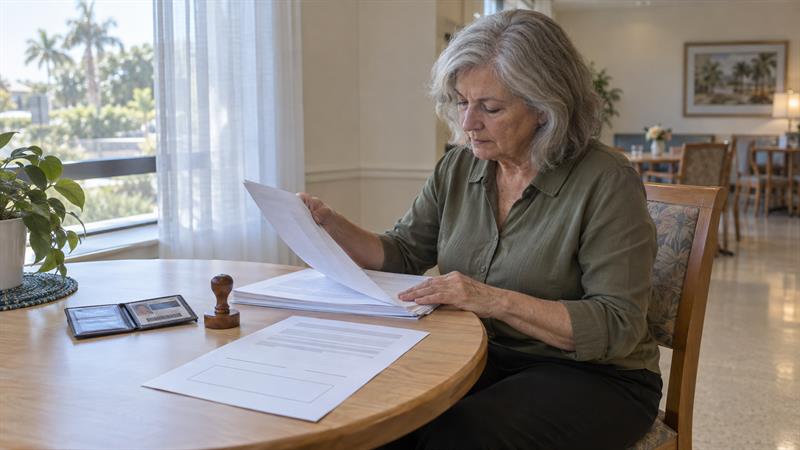
Before the documents leave the table, the signed package should be checked for signatures, initials, dates, and completed notarizations. This does not replace title review, but it helps catch obvious errors while the signer is still present. A missed signature is much easier to address in the moment than after everyone has left.
This is where many avoidable delays begin. One overlooked page can hold up a file far longer than the appointment itself. When the issue is not caught until title opens the package or reviews scanbacks, the next step often becomes follow-up, correction, or a return visit.
Scanbacks or digital upload, if requested
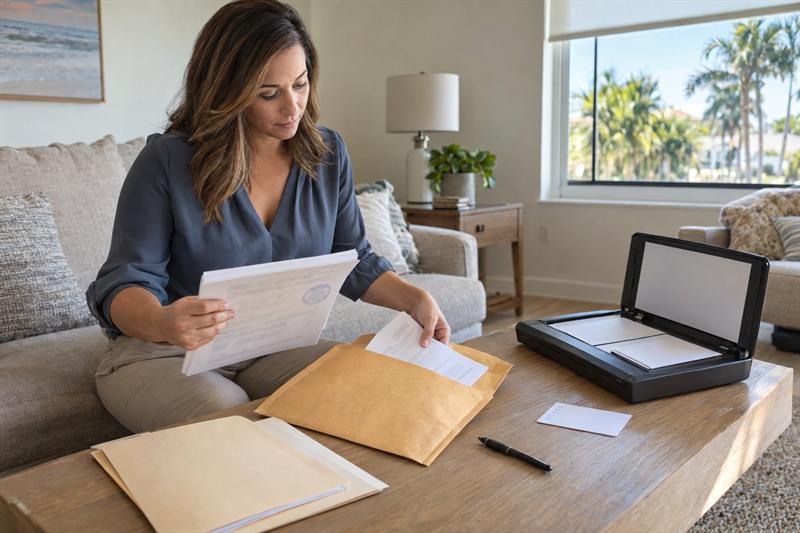
Scanbacks are digital copies of signed documents sent back to title or the lender after the appointment. They allow the file to be reviewed sooner, which becomes especially important when timing is tight or key pages need prompt confirmation.
Scanbacks help title spot issues early, but they do not replace original signed documents when originals are still required. This is a point many borrowers do not realize. A scanned package can move review forward, but it does not complete the handoff by itself.
For title companies managing time-sensitive files, clear return instructions matter from the start. That is part of why Mobile Loan Signing Agent Support for Title Companies in Southwest Florida can matter operationally, not just administratively.
Packaging the original signed documents
Once the package has been checked and any scanbacks are complete, the original signed documents need to be packaged correctly. That includes using the approved return label or method, keeping the documents organized, and making sure nothing is separated or misplaced.
This part sounds simple, but it is where handling problems can start. If the package is assembled carelessly, title receives a file that is harder to review. That slows the next stage because title has to verify what is missing, what is out of order, or whether anything needs to be corrected.
Drop-off, courier shipment, or approved delivery method
Signed loan documents are usually returned by overnight carrier, courier drop-off, or another delivery method approved for the file. The most practical option depends on the instructions, the signing time, and how quickly the package needs to reach title.
The most common mistake here is treating all return methods as interchangeable. They are not. A missed cutoff can push the package into the next cycle, and that can leave the file sitting still when title expected movement. This becomes more important when the file is tied to funding, recording, or another narrow deadline.
If the file shows any of these signs, immediate follow-through is usually needed:
- The signing finished late in the day and the package still needs prompt shipment
- Scanbacks were requested before title will clear the next step
- The return instructions call for a specific label, courier, or drop location
- The transaction timing depends on title receiving the file without an added delay
When these indicators are present, the return process is no longer routine. It becomes timing-sensitive, and careless handling can create downstream problems.
Tracking and confirmation back to title
Once the package leaves the appointment, the handoff is not complete until title has visibility. Tracking numbers, upload confirmations, or delivery updates give the title team a clear next point of control. Without that visibility, the file enters a gap where everyone assumes it is moving but no one has verified the handoff.
Sometimes the issue is not the documents themselves. A missing confirmation step can leave title waiting and force extra follow-up before the file can move forward.
Who handles each part of the handoff?
The post-signing workflow works best when responsibilities stay clear. Confusion about roles is one of the fastest ways a file loses time. Borrowers often assume the notary, title company, lender, and county are all part of one continuous step, but each has a different role.
For a closer look at signing-agent responsibilities during the appointment, see Loan Signing Agent Services Explained: What Happens at a Closing in Florida.
What the loan signing agent typically manages
The loan signing agent typically manages the in-person execution of the signing, the notarial acts required in the package, the final check for completion, and the return of scans or originals according to title instructions. That role is procedural and document-focused.
What the signing agent does not do is finalize title review or control county recording. That distinction matters because borrowers often think the file is “submitted” once the agent leaves. In practice, the signing agent’s return step transfers the file back into title control.
What the title or escrow team reviews next
After the package is returned, the title or escrow team reviews it for completeness, consistency, and any items that need correction. This is where missing initials, incomplete certificates, or instruction mismatches often surface if they were not caught earlier.
Title is not just receiving documents. Title is deciding whether the file is ready for the next operational step. A file can seem complete from the signer’s perspective but still require cleanup before it moves forward.
This is also why operational consistency matters in mobile loan signing agent support for title companies in Southwest Florida. The handoff affects the title team’s workload directly.
When the lender or county becomes involved
The lender may still review parts of the file before the transaction reaches final completion, and county recording usually happens only after title has the documents in acceptable form for submission. That means signing does not immediately become recording.
This is where timing assumptions break down. People hear “documents are signed” and expect a straight line to completion. What usually happens instead is a sequence: return first, review next, then recording-related activity when the file is ready.
For the recording side of that process, County Clerk Recording Support in Southwest Florida: What to Confirm Before Submission covers what needs to be confirmed before documents are submitted.
What can delay the file after the signing is complete?
Post-signing delays usually come from a few predictable trouble points. Once you know where delays start, it becomes easier to see what needs attention next.
Missing signatures, initials, or notarial details
One missing signature or missed initial is enough to stop the file. The same is true for incomplete notarial details. These are small errors with large consequences because title cannot treat the package as complete until they are corrected.
The file may look finished at a glance, but one missed line changes the next step from processing to correction. That usually means follow-up and added time, not forward movement.
Late shipment or missed cutoff times
Late shipment changes the pace of the handoff. If the package misses the day’s cutoff, title does not just receive it later. The file often moves into the next processing window, and that can push other steps behind it.
This becomes more serious when the signing takes place late, the instructions are unclear, or the return method is treated casually. A delay at this stage is rarely isolated. It often affects review timing and every step that depends on title having the originals when expected.
Scanback review issues and funding conditions
Scanback review is where title or the lender may identify something that needs attention before the file progresses. That does not mean the signing failed. It means the documents still have to clear review.
This is a point many borrowers do not expect. A signed package can still require correction or clarification, and that often means the transaction is not ready to move as quickly as planned.
Recording timing and county processing
Recording does not happen the moment documents are signed. It happens after the title team has what it needs and the file is ready for submission. County processing also follows its own procedures and timing.
If this stage is misunderstood, people may assume the file is stalled when it is actually moving through the normal sequence. Often, the issue is not recording by itself. It is that something earlier in the handoff chain delayed when recording could begin.
How title teams reduce post-signing friction
Good title teams reduce friction before the signing starts and after it ends. The strongest post-signing workflows usually have clear instructions, defined checkpoints, and return expectations that leave little room for confusion.
This is more useful than generic advice about communication or attention to detail. In practice, friction tends to drop when the workflow itself is built to prevent avoidable mistakes.
Clear instructions before the appointment
Return method, scanback requirements, package handling, and timing sensitivity should be clear before the appointment begins. Good post-signing results often start with good pre-signing instructions.
Unclear instructions can create small return mistakes that become operational delays later. For readers looking at the earlier stage of the process, How to Prepare for a Loan Signing Appointment: A Practical Checklist for Florida Closings explains what should already be lined up before the signing starts.
Consistent communication checkpoints
The strongest handoffs usually include confirmation after the signing, after scanbacks if required, and after shipment or drop-off. These checkpoints matter because they eliminate guesswork.
If no one confirms movement at those points, title may have to spend time tracing a file instead of processing it. That shifts the workflow from controlled to reactive, and reactive files are often the ones that lose time first.
Why local mobile support can help on time-sensitive files
Local mobile support matters when the file needs same-day execution, a tight drop-off window, or a physical handoff that cannot be treated like a standard appointment. In those cases, proximity and workflow discipline usually matter more than broad availability claims.
At Sunshine Mobile Notary, LLC, that practical local support is part of the service context, especially for Southwest Florida title workflows where timing and physical return logistics matter.
How this connects to county clerk recording
The post-signing handoff leads into the recording phase once title has the file in acceptable condition. That connection matters because recording is not a separate mystery step. It depends on the earlier handoff being handled correctly.
When the return workflow breaks down, recording does not just happen later. It starts later. That distinction explains many “why is this taking longer?” questions after a signing.
For a closer look at what needs to be verified before submission, see County Clerk Recording Support in Southwest Florida: What to Confirm Before Submission.
What gets recorded after the title team receives the file
After the title team receives and reviews the signed package, recording-related documents are prepared and submitted according to the transaction requirements. The focus at this stage is not the signing event itself. It is whether the file is complete and ready for the county process that follows.
That is an important distinction because people often assume signed documents move directly from the table to the clerk. They usually do not. Title review sits between those stages for a reason.
Why recording timing can affect final completion
Recording timing affects when the transaction reaches practical completion because other final steps may depend on that sequence being finished. If recording starts late, completion can feel late even when the signing happened on time.
That is why post-signing discipline matters. The signing appointment is visible, but the handoff is what helps protect the timeline after the appointment ends.
Key Takeaways
- A completed signing is not the same as a completed file.
- Scanbacks, packaging, shipping, and confirmation are all part of the loan signing document return process.
- Most post-signing delays start with missed details, late handoff, or unclear workflow instructions.
- Title review happens after the signing and before recording-related next steps.
- When the return process is handled poorly, recording starts later and the whole file can lose momentum.
Conclusion
The real issue after a loan signing is not the signature event itself. It is whether the file is returned, reviewed, and handed off correctly so title can move it forward without avoidable delays. When that process is handled poorly, small issues become correction requests, missed cutoffs become timeline problems, and recording starts later than expected.
That is why Sunshine Mobile Notary, LLC is a practical choice for borrowers, title companies, and professionals who need the post-signing phase handled with clarity and follow-through. Files tend to move more smoothly when the return workflow is treated as part of the closing, not as an afterthought. If the signing is complete and the next steps need to stay on track, Sunshine Mobile Notary, LLC helps keep that handoff organized from the table to the title team.
Company Approach
Sunshine Mobile Notary, LLC approaches loan signings as a full workflow, not just an appointment on the calendar. That means paying attention to the handoff points that often create trouble: final review, scanback timing, return method, shipment follow-through, and clear communication back to title.
This is where generic service descriptions fall short. What keeps a file moving is not broad language about convenience. It is disciplined execution at the points where closing packages are most likely to be delayed.
FAQ
What happens after loan documents are signed?
After loan documents are signed, the file moves into review and return. That usually includes a final quality check, scanbacks if requested, packaging of the originals, delivery back to title, and then title review before recording-related next steps begin.
The important distinction is that the appointment may be over, but the file is still active. A borrower may feel done, while title is still verifying whether the package is complete enough to move forward.
Who sends signed closing documents to the title company?
In many transactions, the loan signing agent returns the signed documents to the title company based on the file instructions. That return can include digital scans, overnight shipment, courier drop-off, or another approved method.
The title company then reviews what was returned. Sending the package and clearing the file are different parts of the process, and that distinction explains why a returned package is not the same as a finalized file.
What are scanbacks in a loan signing?
Scanbacks are digital copies of signed loan documents sent back after the appointment so title or the lender can review key pages before the original package arrives. They are used to support early review, especially on time-sensitive files.
What many people miss is that scanbacks do not automatically replace the originals. They help title spot issues earlier, but the original signed package still matters when the file requires it.
Can a loan be delayed after the signing is complete?
Yes. A loan can be delayed after signing if the package has missing signatures, missed initials, incomplete notarial details, late shipment, or review issues found in scanbacks.
The reason this matters is simple: many post-signing delays begin with small details that were treated like minor issues. Once the package leaves the table, those details often take more time to correct and slow everything behind them.
Does the notary send the documents to the county for recording?
Usually, no. The signing agent typically handles the signing and return of the documents based on title instructions, while the title or closing team coordinates recording once the file is ready.
This distinction matters because many people assume recording starts as soon as the appointment ends. In most cases, title review comes first, and recording follows after the package is accepted as complete for that next stage.
How long does it take for the title company to receive signed loan documents?
That depends on the return method, timing of the appointment, whether scanbacks were requested, and how the originals are being delivered. Title may receive scans first for early review and the originals later through shipment or courier delivery.
The key point is that received can mean more than one thing. Digital receipt and original document receipt are related, but they are not the same milestone in the workflow.