Before You Request an Apostille, Confirm These Details
An apostille is one part of preparing certain documents for international use. It does not replace the need to understand what the receiving organization requires. The destination country, the organization reviewing the document, and the type of document all shape the next step.
Problems can start when preparation happens out of order. Someone may request a record, notarize a signature, or order a translation, then learn that the recipient required a different document version. Sunshine Mobile Notary, LLC encounters this issue when recipient instructions are gathered after document preparation has already begun rather than before.
For a broader overview, review how apostille services in Florida work. This checklist focuses on the questions to answer before requesting records, arranging notarization, or submitting documents.
Quick Florida Apostille Checklist
Before beginning an apostille request in Florida, confirm these seven details:
- Destination country: Identify the country where the document will be presented.
- Recipient instructions: Obtain written requirements from the school, employer, court, agency, or other organization receiving it.
- Document type: Determine whether it is a public record, private document, school record, court record, business document, or another category.
- Required version: Confirm whether the recipient needs an original, certified copy, or notarized document.
- Notarization and witnesses: Determine whether signatures, witnesses, and acceptable identification are needed before notarization.
- Translation: Find out whether the document, apostille, or both require translation.
- Submission details: Check deadlines, document-age rules, mailing instructions, and return-delivery requirements.
This is a planning checklist, not a replacement for instructions from the receiving organization or relevant agency. Those instructions determine the document format and process the recipient will accept.
1. Which Country Will Receive the Document?
Start with the destination country. Apostilles are generally used for documents presented in countries that participate in the Hague Apostille Convention. If the document is going to a country outside that framework, a different authentication process may be required.
“International use” does not automatically mean “apostille.” Starting with that assumption can send a document toward the wrong process, leading to additional document requests, mailing costs, and lost time. If the destination country is unclear, settle that question first because the remaining preparation steps depend on it.
The receiving organization, applicable consulate, or relevant government authority is the appropriate source for current destination-specific requirements. Requirements can differ between organizations in the same country.
2. What Does the Receiving Organization Require in Writing?
The recipient’s written instructions are one of the most useful parts of the preparation process. A request that only says “apostille required” leaves important questions unanswered, including which document version is expected and whether translation or recency rules apply.
Ask the receiving organization these questions:
- What is the exact name of the required document?
- Does the recipient require an original, certified copy, or notarized document?
- Does the document need to be recently issued?
- Is a translation required, and does the recipient specify a format or certification statement?
- Are there instructions for submitting, mailing, or returning the completed document?
A common issue is focusing on the apostille while missing a separate rule, such as a recent issue date or certified-copy requirement. Keep the organization’s email or official instructions available while each preparation step is completed.
3. What Type of Document Do You Have?
Document origin changes the preparation path. A privately signed authorization is handled differently from a government-issued birth record, and a school document can have different certification requirements than a court record.
- Vital records: Birth, death, and marriage records.
- Court records: Records issued through a court or clerk.
- Educational records: Diplomas, transcripts, and other school-issued documents.
- Business documents: Corporate records, authorizations, and documents signed for a company.
- Private documents: Affidavits, permissions, authorizations, and similar documents signed by an individual.
Government-issued records and privately signed documents do not start in the same place. Public records commonly require the proper certified version from the issuing authority, while private documents may require notarization as part of preparation. For more detail about which documents may need notarization in Florida, review the related guide before arranging an appointment.
4. Do You Need an Original, a Certified Copy, or a Notarized Document?
The required document version matters as much as the document itself. A photocopy, original, certified copy, and notarized document serve different purposes.
Original document: This is the original item created or issued by the signer or organization. Some recipients request original documents for private or business matters.
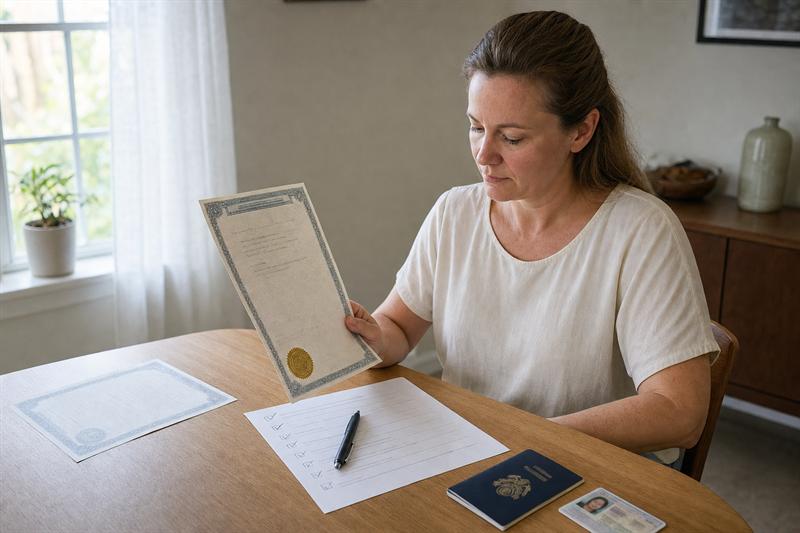
Certified copy: This is a record issued or certified by the authorized records custodian. It includes certification from the issuing authority that an ordinary photocopy does not.
Notarized document: This is a private document on which a notary has completed an authorized notarial act. Notarization relates to the execution of the document and the notarial certificate; it does not convert a photocopy into a certified government record.
Getting this wrong can create unnecessary expense. A translation for the wrong record, a mailed uncertified copy, or a notarized document that should have been requested from an issuing office can require the process to start again. Identify the required version before paying for the next step.
5. Does the Document Need Notarization Before Apostille Processing?
Notarization is commonly part of preparing certain private documents, but it is not a universal apostille requirement. The recipient’s instructions and the document’s origin determine whether a notarized signature is needed.
Private Documents May Need Notarization First
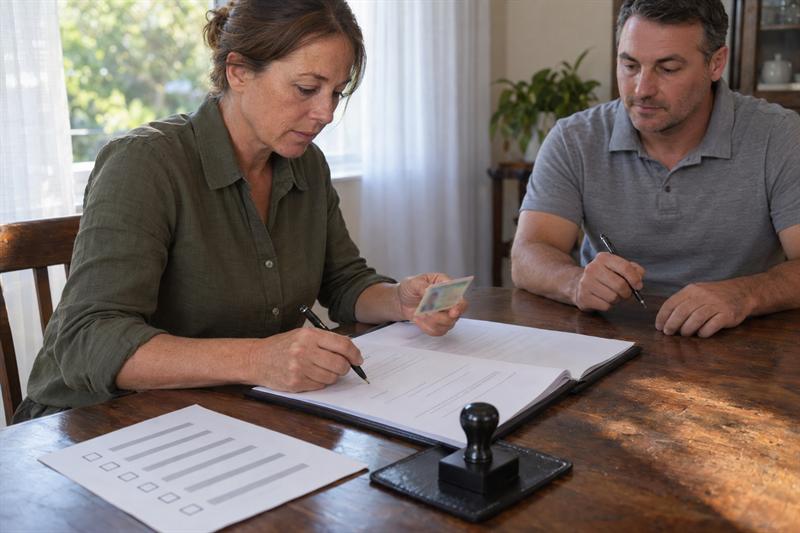
Affidavits, consent forms, authorizations, powers of attorney, and certain business documents are examples of private documents that may need notarization when the receiving organization requires a notarized signature. The signer should have a complete document, any required witnesses, and acceptable identification ready.
Signing too early can create appointment issues. When a document requires a notarial act connected to a signer’s acknowledgment or sworn statement, the signer should follow the document’s instructions and the notary’s directions about when to sign.
Sunshine Mobile Notary, LLC can encounter last-minute delays when a document is incomplete, a required witness is unavailable, or the signer does not have acceptable identification. Review what to bring to a notary appointment before finalizing appointment details.
A Florida notary confirms identity through acceptable evidence and performs authorized notarial acts. A notary does not draft legal documents, interpret their legal effect, or decide whether an overseas institution will accept the completed document.
Official Records May Follow a Different Route
Birth certificates, marriage certificates, death certificates, and court records may need to come from the appropriate issuing authority in a certified form. The recipient may also specify the acceptable issuer, issue date, or document format.
The distinction is straightforward: obtaining a certified record is different from notarizing a private signature. If the document is an official record, begin with the correct issuer rather than assuming a notary appointment will create the version needed for apostille preparation.
6. Are Witnesses, Signers, and Valid ID Needed?
Read the document before scheduling the appointment. Witness language, multiple signature lines, or a notarial certificate at the end of the form are signs that the signing process should be understood before the appointment begins.
Some documents require witnesses in addition to notarization. Each signer should also have acceptable government-issued identification. Missing identification or an absent required signer can prevent completion of the notarization step and delay the remaining apostille preparation.
Remote online notarization can be useful when the document and receiving organization accept that format. It is not the right format for every international-document request. The practical choice is the one that matches the document’s instructions, the signer’s circumstances, and the recipient’s acceptance requirements.
7. Is a Translation Required?
Translation is a separate requirement that should be identified before work begins. The recipient may require a translation of the document, request a particular translator certification statement, or provide instructions about whether the apostille also needs to be translated.
This becomes more complicated when a translation is ordered based on assumption. A recipient may reject a translation because of formatting, certification, or document-version issues even when the underlying information is accurate.
Three questions provide direction: Does the recipient require a translation? Does it require a particular certification or format? Does the translation apply to the document, the apostille, or both? The written answer determines the proper sequence.
8. Are There Timing, Mailing, or Submission Instructions?
Timing can become a problem when preparation begins without a complete submission plan. A deadline, recent-document rule, shipping requirement, or return-delivery instruction can affect when records should be ordered and when notarization should be scheduled.
Before submitting, identify:
- The deadline for the receiving organization.
- Whether the recipient requires a recently issued record.
- Where the document must be sent and how it should be returned.
- Which copies and submission records should be retained for your files.
Do not rely on another applicant’s timeline. Agency processing and delivery circumstances vary, so the instructions for the specific document should guide the schedule.
Common Apostille Preparation Mistakes That Can Cause Delays
Many apostille delays begin with a preparation error rather than the apostille request itself. These mistakes can create rework.
- Assuming every country uses an apostille: This can send the document toward the wrong process. Identify the destination country first.
- Using a photocopy instead of the required record: This can lead to a new request for an original or certified version. Confirm the document form before submission.
- Skipping written recipient instructions: This leaves questions about translation, recency, and format unanswered.
- Signing at the wrong time: A premature signature can interfere with the needed notarial act. Review signing instructions before the appointment.
- Missing witness requirements: This can prevent completion when the document requires witnesses in addition to a notary.
- Ordering translation too soon: This can create duplicate work when the recipient expects a different format or certification.
- Ignoring mailing and deadline details: This can tighten the remaining timeline and may require a new record if the original no longer meets recipient requirements.
If your instructions are vague, your document is a copy, or you are unsure whether you need notarization, pause before submitting anything. These signs show that the process has not been fully mapped out:
- You have been told only that the document needs to be “apostilled.”
- You do not know whether the recipient requires an original or certified copy.
- The document includes witness language or a notarial certificate, but no one has explained who must sign and when.
- You are considering a translation or remote notarization without written recipient requirements.
When these details are unresolved, confirm the requirements before moving to the next document-preparation step.
Preparing for a Notary Appointment in Southwest Florida
Once you have confirmed that notarization is part of the required preparation, make the appointment efficient. Have the complete document available, identify every signer, determine whether witnesses are required, and make sure each signer has acceptable identification.
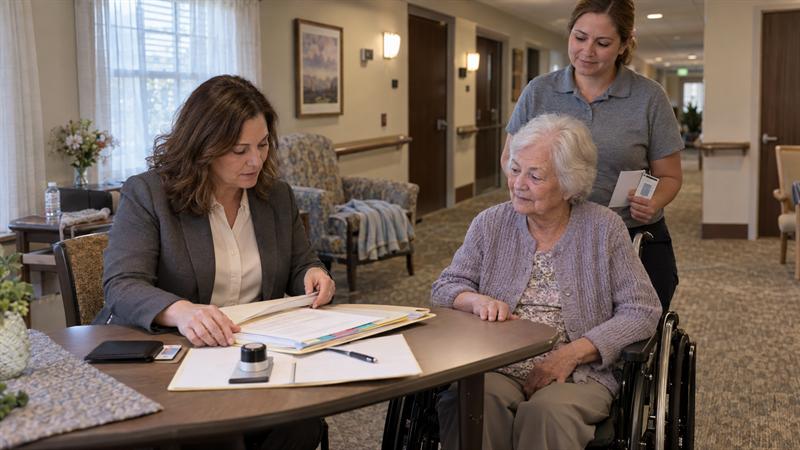
Sunshine Mobile Notary, LLC provides mobile notary service for people who need documents notarized at a home, workplace, hospital, senior living community, or another convenient location in Southwest Florida. This can be particularly helpful when several signers or witnesses need to be coordinated and travel would add another obstacle.
Remote online notarization may also fit some document situations. Select that option only when the document and recipient requirements support it. Mobile or remote notarization helps complete the notarial step; it does not replace certified-record requirements, state apostille processing, or the receiving organization’s instructions.
When to Confirm Requirements With the Receiving Organization or Relevant Agency
Some situations need a clearer answer before you proceed. If the destination country is unclear, the instructions are brief, the record is older, the document was issued outside Florida, or translation is mentioned without details, clarify the preparation path first.
- Receiving organization: Ask about acceptance requirements, document format, translations, and deadlines.
- Issuing agency: Ask about certified copies and the correct version of an official record.
- Attorney: Seek legal guidance for document preparation, legal interpretation, or the legal effect of signing a document.
Notaries have an important but limited role in this process. They can perform authorized notarial acts when the document is ready, but they cannot choose the recipient’s requirements or provide legal or consular advice.
Key Takeaways
- Start with the destination country and the receiving organization’s written instructions.
- Identify the exact document type and required version before requesting records or notarization.
- Do not treat an original, certified copy, photocopy, and notarized document as interchangeable.
- Confirm whether witnesses, signer identification, translations, document recency, and submission instructions apply.
- Arrange mobile or remote notarization only after confirming that notarization is part of the required preparation process.
Start With the Right Questions, Not Just the Right Document
The real issue is not simply obtaining an apostille. It is beginning without a complete understanding of what the receiving organization expects. That can lead to incorrect document versions, incomplete notarization appointments, unnecessary translations, and submissions that need correction before the document can be used.
Sunshine Mobile Notary, LLC is a practical next step when you have confirmed that your document requires notarization and need help completing that part of the process. Gather the recipient’s written instructions, prepare the correct document and identification, then use this guide to schedule a mobile notary appointment with the right information ready.
Mobile notarization brings the appointment to a convenient Southwest Florida location, while remote online notarization may be appropriate when the document and recipient requirements permit it. Starting with complete information keeps the notarization step focused and helps prevent errors that can delay apostille preparation.
Frequently Asked Questions
What do I need for an apostille in Florida?
You need the document required by the destination country and receiving organization, along with any required certification, notarization, translation, and submission information. Start by identifying what the recipient means by “apostille required.”
For example, a government-issued vital record may need a certified version from the appropriate authority, while a private affidavit may need a notarized signature. That distinction determines whether preparation begins with an issuing office or a notary appointment.
Does my document need to be notarized before getting an apostille?
Private documents sometimes need notarization before apostille processing, but official records can follow a different path. Affidavits, authorizations, consent forms, powers of attorney, and some business documents are examples of items that may require notarization when the recipient requires a notarized signature.
By contrast, a birth certificate or court record may need to be obtained as a certified record from the appropriate issuer. Notarizing a copy does not create a certified public record, which is an important distinction in apostille preparation.
Can I use a photocopy for an apostille?
An ordinary photocopy does not serve the same purpose as an original or certified copy. When a recipient requires a certified record, it is requesting a version issued or certified by the authorized records custodian, not simply a reproduction of the information.
A notarized private document and a certified public record are also different document types. A notarization is an authorized notarial act related to a document’s execution; it does not certify that a photocopy is an official record.
How do I know whether I need an apostille or an authentication certificate?
The destination country determines the starting point. Apostilles are generally used for documents presented in countries participating in the Hague Apostille Convention, while countries outside that system can require a different authentication process.
The recipient’s instructions still matter after the country is identified. A school, employer, court, agency, or business may specify the acceptable document version, translation requirements, or timing rules that shape the preparation process.
Do I need to translate my document before getting an apostille?
Translation depends on what the receiving organization requires. It may request a translation of the document, specify wording for translator certification, or state whether the apostille also requires translation.
The key issue is order. Translating the wrong document version or using a format the recipient does not accept can create rework. Recipient instructions determine what must be translated and how the translation should be prepared.
Can a mobile notary help with apostille preparation in Florida?
A mobile notary can help with the notarization-related step when a document requires a notarized signature and the document is ready. This can be useful when signers, witnesses, and identification need to be coordinated at a convenient location.
A mobile notary does not issue apostilles, obtain required certified public records, or decide what an overseas recipient will accept. The notary’s role is to complete the authorized notarization after the recipient’s requirements have identified that step as necessary.